
Why the migration from the north creates a gap
In the crowded markets of Accra, children often stand beside their mothers during school hours. They help carry loads or watch younger siblings while the adults work. These are the children of the zongo communities, historically Muslim migrant neighborhoods. Many families moved from the north to find work in the capital. They bring with them a systemic struggle. In the north, the education gap is already wide before they even begin the trip south.
This gap starts with the extreme poverty found in northern Ghana. We see this every week in the faces of the families we support. The struggle is not just about a lack of books or classrooms. It is about the crushing weight of poverty that makes schooling a luxury. When families cannot afford food, the classroom becomes a secondary concern.
The numbers from the Ghana National Household Registry show the scale of this issue. In 2018 and 2019, the statistics for the Upper East and Upper West regions revealed some of the highest poverty levels in the country. These regions face severe economic hardships that force parents to make impossible choices. Many children are pulled out of school to help with farming or domestic chores.
By the time these families arrive in Accra, they are already behind. They enter zongo life with a disadvantage that is hard to overcome. The transition to the city does not automatically solve the problem. Instead, the poverty they fled in the north often follows them into the urban slums.
Parents move to the capital hoping for a better life. However, the cost of living in Accra is high. Many mothers find work in the markets, but they cannot afford the hidden costs of education. These costs include uniforms, notebooks, and transportation. Because the children may have missed years of schooling in the Upper East or Upper West regions, they often feel too old for their grade level. This shame makes them more likely to drop out entirely.
Understanding life in the zongo communities
To understand why children miss school, we must first look at zongo life. These neighborhoods are settler communities found in many urban areas. They are often crowded and lack basic infrastructure. Most people living here are migrants. They move from the rural north to the city in search of better opportunities. This movement is tied to the northern origins of many families who face extreme hardship in their home villages.
The shift from a rural village to a city like Accra is a shock. Families arrive with very little. They find shelter in small, shared rooms. Life becomes a daily struggle for survival. We see this every week when we visit these areas. The pressure to eat often outweighs the desire to learn. Parents want their children to have an education, but the immediate need for money is stronger.
Informal work becomes the primary focus for new arrivals. Children are often pushed into the streets to help. They might sell pure water, carry loads in the market, or hawk small goods. This work provides a few cedis for the family pot. It is a survival strategy. The classroom feels far away when the stomach is empty.
Many families do not have the funds for school uniforms or books. Even when tuition is free, these hidden costs are barriers. A child who cannot afford a pair of shoes may feel ashamed to attend. They stay home and work instead. This creates a cycle where the child misses the foundational years of learning.
The social structure of the zongo provides a safety net, but it cannot replace a school. Neighbors help each other. However, the lack of stable income keeps many children out of the classroom. They become trapped in low skilled labor. This reality makes the education gap wider for these migrant children.
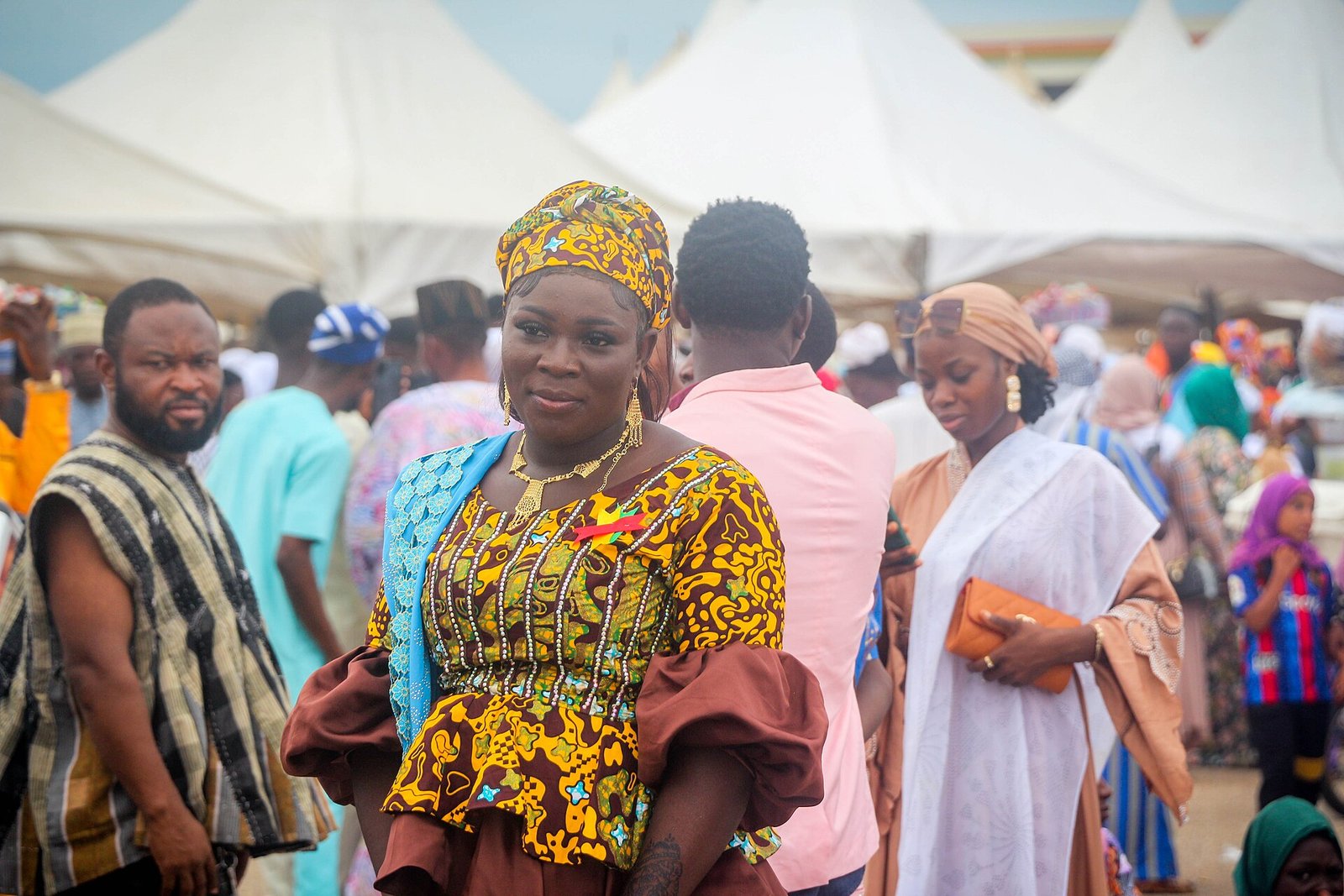
The hidden costs of free education
Many people believe that free tuition solves the problem of school attendance. In the zongo communities of Accra, the reality is different. While the government may cover the basic cost of instruction, the actual cost of sending a child to school remains high for a struggling parent. We see this every week when mothers come to us in desperation. They want their children to learn, but the wallet is empty.
The list of necessary items is long. A child cannot enter the classroom without a proper uniform and sturdy shoes. They need notebooks, pens, and textbooks to follow the lessons. Then there are the PTA levies and the fees for national examinations. These are not optional expenses. A child who lacks these items often feels ashamed. They may stop attending classes because they cannot fit in with their peers.
Timing is another major hurdle. These costs usually arrive at the start of the school term. This is often the exact moment when a family has the least amount of money. Most parents in these areas rely on daily wages or irregular trade. They do not have savings to cover a sudden spike in spending. When the choice is between buying a textbook and buying food for the evening, the book always loses.
Hunger also acts as a hidden cost. A child who has not eaten cannot concentrate on a chalkboard. Many families cannot afford the daily cost of a school meal. This physical need often pulls children out of the classroom and into the streets to find work. We try to bridge these gaps through our education program to ensure that poverty does not dictate a child's future.
We are Muslim and Christian together serving every child regardless of their background. Our goal is to remove these financial barriers. When a mother does not have to worry about shoes or exam fees, her child stays in school. These small expenses create a wall that keeps thousands of bright children away from their desks.
The 100 dollar barrier to entry
We see this every week in the zongo communities of Accra. A child wants to learn. The parents want their child to have a better life. However, a financial wall stands in their way. According to Sedarvp Ghana, the cost of education for children between the ages of 5 and 12 is roughly 100 dollars a year. To an outside observer, this amount might seem small. For a migrant family living in poverty, it is an impossible sum.
These families often live on a day to day basis. They work in informal jobs where income is not guaranteed. When you have to choose between buying a bag of maize or paying for a school uniform, the food wins. The 100 dollars is not just a fee. It is a barrier that keeps a child on the street instead of in a classroom. We talk to mothers who feel the weight of this failure every single day.
Many of these families have moved from other regions or countries. They arrive with very little. They find shelter in the zongos, but the cost of basic schooling remains out of reach. This gap creates a cycle of poverty that is hard to break. A child who misses these early years of schooling will likely struggle for the rest of their life. They lose the chance to read and write during the most critical years of their development.
Our general education program works to remove these specific hurdles. We believe that no child should be denied a desk because of a few dollars. By covering these costs, we give children a chance to compete with their peers. It changes the trajectory of a family when the burden of school fees is lifted. This small amount of money is the difference between a life of labor and a life of opportunity.
How homework clubs bridge the divide
Many children in Accra return from school to homes where the environment is not conducive to study. In crowded zongo settlements, finding a quiet corner is nearly impossible. Parents often work long hours or lack the formal education needed to help their children with complex assignments. This means that a child who struggles in the classroom continues to struggle at home. We see this every week when students arrive at school unable to complete their work.
Homework clubs offer a dedicated space where this cycle can be broken. These clubs provide the consistent academic support that children need outside the formal school day. They create a sanctuary for learning. Students gather in a supervised setting where they can ask questions without fear. They get the attention they missed during a crowded lesson in a large classroom.
Children who have fallen behind their peers often feel a sense of shame. They may stop trying because the gap feels too wide to close. In our homework clubs, we focus on meeting the child where they are. We break down lessons into smaller, manageable pieces. This slow pace allows a child to master a concept before moving forward. It builds the confidence they need to participate in class again.
Consistent support is the only way to ensure these gains are not lost. A single tutoring session is not enough. These children require a daily routine that prioritizes their education over the demands of the street. When a child knows there is a safe place to study every afternoon, their attitude toward school changes. They start to see themselves as students rather than burdens.
We believe in a communal approach to this struggle. Our team consists of Muslim and Christian together serving every child. This unity reflects the spirit of the communities we support. By providing a reliable structure, we ensure that poverty does not dictate a child's academic potential. The homework club turns a daunting pile of assignments into a series of small victories.
Transparency and safeguarding in our field work
We take the privacy of the children and mothers we support very seriously. Every child we help is a human being with a right to dignity. This is why we never publish the full names of the children in our reports or on our platforms. We also ensure that no photo or story is shared without the explicit consent of a parent or legal guardian. These rules keep the vulnerable safe from exploitation.
Our team works as Muslim and Christian together serving every child. This unity helps us build trust within the community. We believe that trust is built on honesty and clear evidence. When a donor gives to a specific need, we provide the proof quickly. We send receipts within 48 hours of the expenditure. This ensures that every cedi is accounted for in real time.
We do not just send paper records. We document distributions with photos and short videos so you can see the impact. These visuals show the school uniforms, the food, or the books reaching the kids. For those who give regularly, recurring donors get monthly reports. These updates keep you connected to the children whose lives you are changing.
We want our supporters to feel close to the work we do. You do not have to take our word for it. Anyone can arrange a field visit or a live call during a distribution. This allows you to see the reality of the zongo education gap first hand. If you have questions about our operations, anyone can request our documents on WhatsApp.
This open door policy prevents misunderstandings. It allows us to be accountable to the people who make our work possible. We keep our records simple and accessible. By staying open, we ensure that the focus remains on the children and their futures.
If you would like to help a child stay in school, please consider a gift. You can find more information at ../donate.html.
FAQ
How much does it cost to send a zongo child to school for a year?
The total cost varies based on the child's age and grade level. We work to cover all necessary fees to keep them in the classroom. Please contact us for the current specific breakdown for individual students.
Why do children from northern Ghana face higher dropout rates?
Families in this region often struggle with extreme poverty. Children are frequently pulled from school to help with farming or domestic chores. Lack of basic resources makes it difficult for them to stay enrolled.
How does Hope for Ghana Kids prove that donations reach the children?
We send receipts within 48 hours of receiving funds. Our team documents distributions with photos and short videos. Recurring donors receive monthly reports, and anyone can request our documents on WhatsApp or arrange a live call during a distribution.
What are the specific costs families pay besides tuition?
Families must provide uniforms, textbooks, and stationery. Transportation and daily meals are also significant expenses. These hidden costs often force parents to choose which child can attend school.
And if you are ready to turn good questions into good deeds, feed a child this week. Every gift gets a receipt within 48 hours and a photo of what it became.
