The hidden cost of a free education
A child stands outside a classroom door. He holds a single, frayed notebook with only three blank pages left. The teacher asks for the new exercise books required for the term. The boy looks down at his feet because he knows his mother has no money for them. This is how a child misses a lesson. It is how a student begins to feel like a failure before the first bell rings.
We see this every week at Hope for Ghana Kids. Many people believe that education is entirely free here, but the reality on the ground is different. While tuition may be covered, the actual cost of attending school remains a heavy burden for widowed mothers. A child cannot sit in a classroom without a uniform. They cannot walk to school without shoes.
These basic items are not optional. A student who arrives without the proper clothing often feels the sting of shame. They may be sent home or told to sit at the back of the room. This creates a mental barrier that is harder to overcome than any math problem. The back to school costs include these essentials, along with the pens and pencils needed to participate in the day.
The financial pressure is constant. According to Sedarvp Ghana, the full costs for children between the ages of 5 and 12 run about 100 dollars a year. For a family living in extreme poverty, this amount is an impossible mountain to climb. It is not a single payment, but a series of small, crushing demands.
A mother might find enough for a pencil, but she cannot afford the sturdy shoes her child needs for the rainy season. When the shoes tear, the child stops going to school. We work to fill these gaps so that no child is turned away for lacking a notebook. We are Muslim and Christian together serving every child. Our goal is to ensure that the promise of free education does not end at the classroom door because of a missing pair of shoes.
Why a few cedis matter
We see this every week at our centers. A child arrives with a look of deep shame because they do not have a pen or a math set. To a donor in another country, the cost of a plastic ruler or a pencil is negligible. For a widowed mother in Ghana, those few cedis are often the difference between a meal and a school supply. When a child lacks these basic tools, they stop attending class. They feel exposed and embarrassed when the teacher asks them to open their notebooks.
Absenteeism starts with these small gaps. A student who cannot keep up with the lessons because they lack a pen eventually stops showing up entirely. They feel they have already failed. This cycle pushes children away from the classroom and onto the streets. Once they leave the school system, the road back is very difficult.
Many families also struggle with the levies that can appear unexpectedly. These costs might seem minor to some, but they act as barriers. When a parent cannot pay a small fee for a textbook or a uniform, the child stays home. We see how quickly a lack of a few coins turns into a permanent exit from education.
The results of this instability are devastating. Data from the Department of Social Welfare shows that 71 percent of street children are illiterate. This number represents thousands of young lives stalled by poverty. It is not usually a lack of desire to learn that keeps them away. Instead, it is the crushing weight of costs that others might consider trivial.
We work to remove these hurdles for the children we shelter. Our team ensures that every child has the physical tools needed to participate in a lesson. By providing these items, we stop the spiral of shame that leads to dropout. We believe that no child should lose their future because they could not afford a math set.

Breaking down the school kit
When a child enters a classroom in Ghana, they need more than just a seat. They need the tools to participate. We see this every week when mothers come to us in tears because they cannot afford the basic kit. A child cannot take notes without exercise books. They cannot carry their belongings without a sturdy bag. These items seem small to a donor in another country, but for a widowed mother, they are mountains.
The list of requirements is long. It starts with the basics like pencils, pens, and erasers. Then come the rulers and mathematical sets for the older children. Many schools require specific colors of folders or specialized notebooks for different subjects. When a family has nothing, these costs add up quickly. A single missing notebook can make a child feel ashamed in front of their peers.
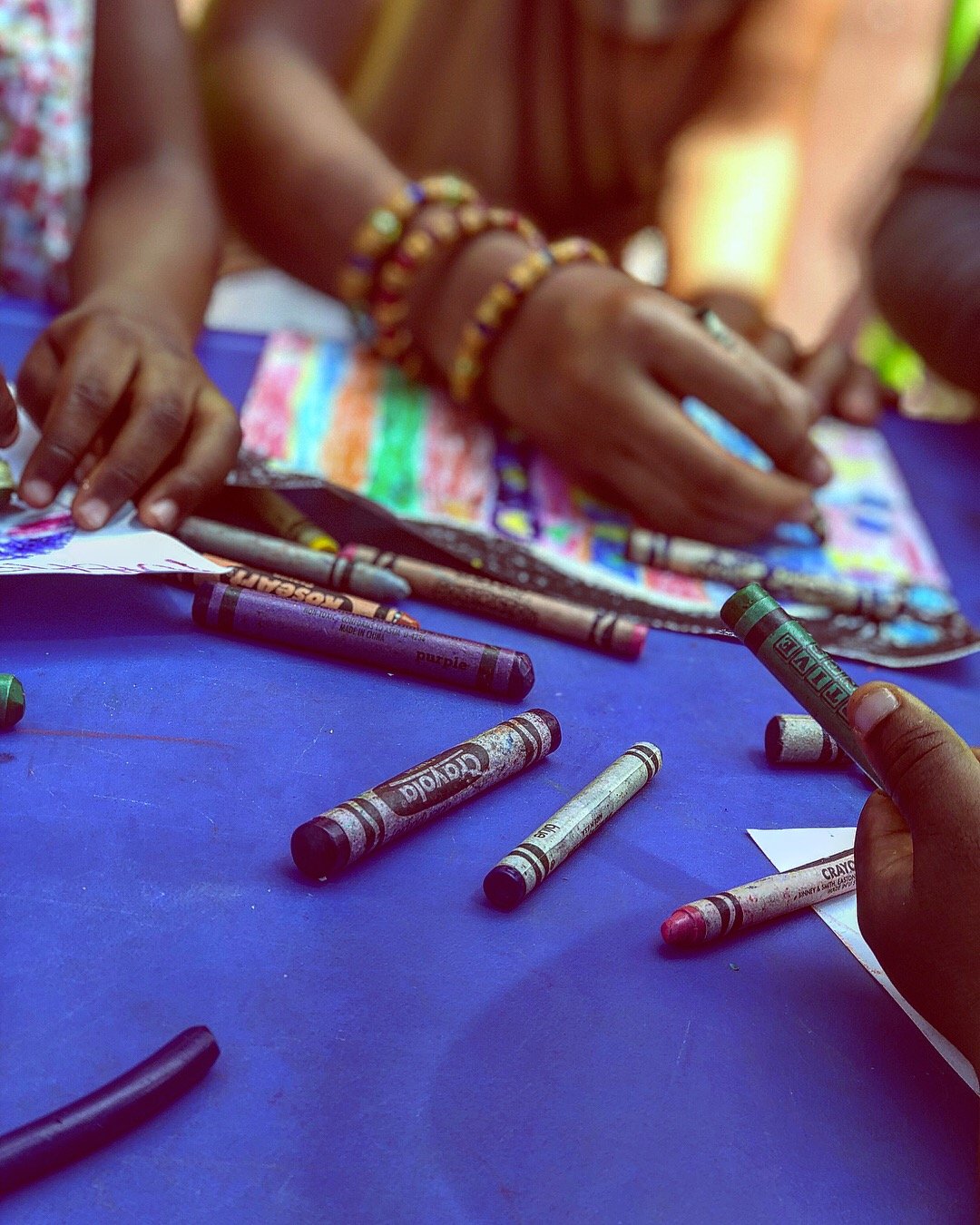
We try to remove these barriers. You can buy the school year to ensure a child has everything from day one. This includes the heavy bags that carry the weight of their dreams. It covers the sharp pencils that write their first essays. We make sure every child feels equal to their classmates. This equality is the first step toward confidence.
For a complete picture of what is needed, you can check our back to school costs guide. That list shows the full range of requirements that a student must meet to stay in school. It includes the uniforms and the footwear that wear out too quickly. Many parents try to stretch one pair of shoes for three years. The soles split and the toes peek through.
Our team handles these distributions with care. We document distributions with photos and short videos so you can see the impact. Every pen and every book represents a chance for a child to escape poverty. Education is the only way out for the orphans we shelter.
Bulk buying and efficiency
When we buy school supplies for one child at a time, the cost is high. Small shops in the neighborhoods often sell items in single units. This is expensive for a widowed mother who has nothing. We see this every week. The price of a single notebook or a few pencils adds up quickly. It creates a barrier that can stop a child from entering the classroom.
Buying in wholesale changes the math. When we purchase hundreds of notebooks and pens at once, the cost per child drops significantly. This efficiency allows us to stretch every donation. We can provide a full set of materials to more children using the same amount of money. It is a simple strategy that saves lives.
These basic tools are not just about writing. They help children avoid the various local levies mentioned in our other reports. Schools often charge fees when a child lacks the required materials. These charges are meant to cover the gap, but they often become a financial burden. If a child arrives with their own supplies, they are less likely to face these extra costs.
We make sure these distributions are transparent. Anyone can arrange a field visit or a live call during a distribution to see how this works. We also document distributions with photos and short videos. This shows exactly where the supplies go. It proves that bulk buying reaches the children who need it most.
Our team works together to find the best prices. This unity helps us focus on the goal of keeping kids in school. We do not let a lack of a pencil be the reason a child drops out.
Efficiency is about more than just money. It is about time and dignity. A mother does not have to worry about where the next notebook will come from. She knows her child is ready for the term. This stability allows the student to focus on learning instead of the fear of being sent home.
Beyond the classroom tools
A child cannot focus on a chalkboard when their stomach is screaming. We see this every week in the children who come to us. Hunger is a silent thief that steals a child's ability to concentrate and remember. When a student spends the entire morning thinking about where their next meal will come from, the lesson on mathematics or reading becomes background noise. They are physically present in the room, but their minds are trapped by the pain of an empty belly.
Many parents try their best to provide. However, for a widowed mother struggling to survive, food is often a luxury. She may have to choose between buying a small bag of maize or paying for a child's transport to school. Often, the child goes to class without eating anything. This leads to dizziness, fatigue, and eventually a total lack of interest in school. It is hard to value an education when you are starving.
We believe that nutrition is the foundation of all learning. This is why our food program provides daily hot meals to the children in our care. These meals ensure that hunger no longer dictates whether a child succeeds or fails. The cost to sustain this is about 25 dollars per child per month. This small monthly amount removes a massive barrier to learning. It allows a child to sit at their desk and actually hear the teacher.
The change in a child is immediate once they are fed. They become more active in class and their attendance improves. They no longer fall asleep during lessons or wander away to look for food. Feeding them is not just about health. It is about giving them the mental space to be students. A full stomach turns a struggling child into a curious learner. We work as Muslims and Christians together serving every child to make sure no one is left behind because of poverty.
Our standard for transparency
Trust is the only way we can keep these children in school. We know that when you send money from another country, you want to know it reached the right desk or the right plate. This is why we have a strict 48 hour receipt promise. Every single donation is acknowledged with a receipt within 48 hours of us receiving it. We do not let funds sit in limbo.
Our team is made up of Muslims and Christians working together. We serve every child regardless of their background or faith. This unity reflects the community we build for the orphans and widowed mothers we support. We believe that honesty is a spiritual obligation.
We do not just send a piece of paper. We document our distributions with photos and short videos so you can see the uniforms and the books. You can see the faces of the children whose educations were saved by your kindness. These visuals provide the proof that your gift did exactly what you intended.
Access to our records is open to everyone. If you have questions about how funds are moving, you can request our documents on WhatsApp. We use this app to keep communication fast and direct. This allows us to share distribution records in real time.
For those who want even more certainty, we welcome direct oversight. Anyone can arrange a field visit to see our work. If you cannot travel, you can arrange a live call during a distribution. You can watch the process happen as it occurs.
Recurring donors receive monthly reports to track long term progress. We want you to feel the weight of the impact you make. This openness ensures that no child falls through the cracks because of a lack of trust or a missing receipt.
If you would like to help a child stay in school, you can find our giving page here. Your support makes a real difference. Please visit ../donate.html to learn more.

FAQ
How much do school supplies cost in Ghana?
Costs vary based on the grade level and the specific items needed. We work hard to find the best prices for basic materials to help as many children as possible. Your contribution helps us cover these essential costs for orphans and street children.
How do I know my donation bought the books?
We send receipts within 48 hours of receiving your gift. This ensures you have a record of your support. Recurring donors also get monthly reports that explain how funds are used.
Can I see proof of the distribution?
We document distributions with photos and short videos. You can request these documents on WhatsApp at any time. Supporters can also arrange a field visit or a live call while we distribute supplies to the children.
Do you help children of all faiths?
Yes, we do. Our focus is on providing food, shelter, and schooling to those who need it most regardless of their background.
