Why local-purchased books work better than shipped cartons
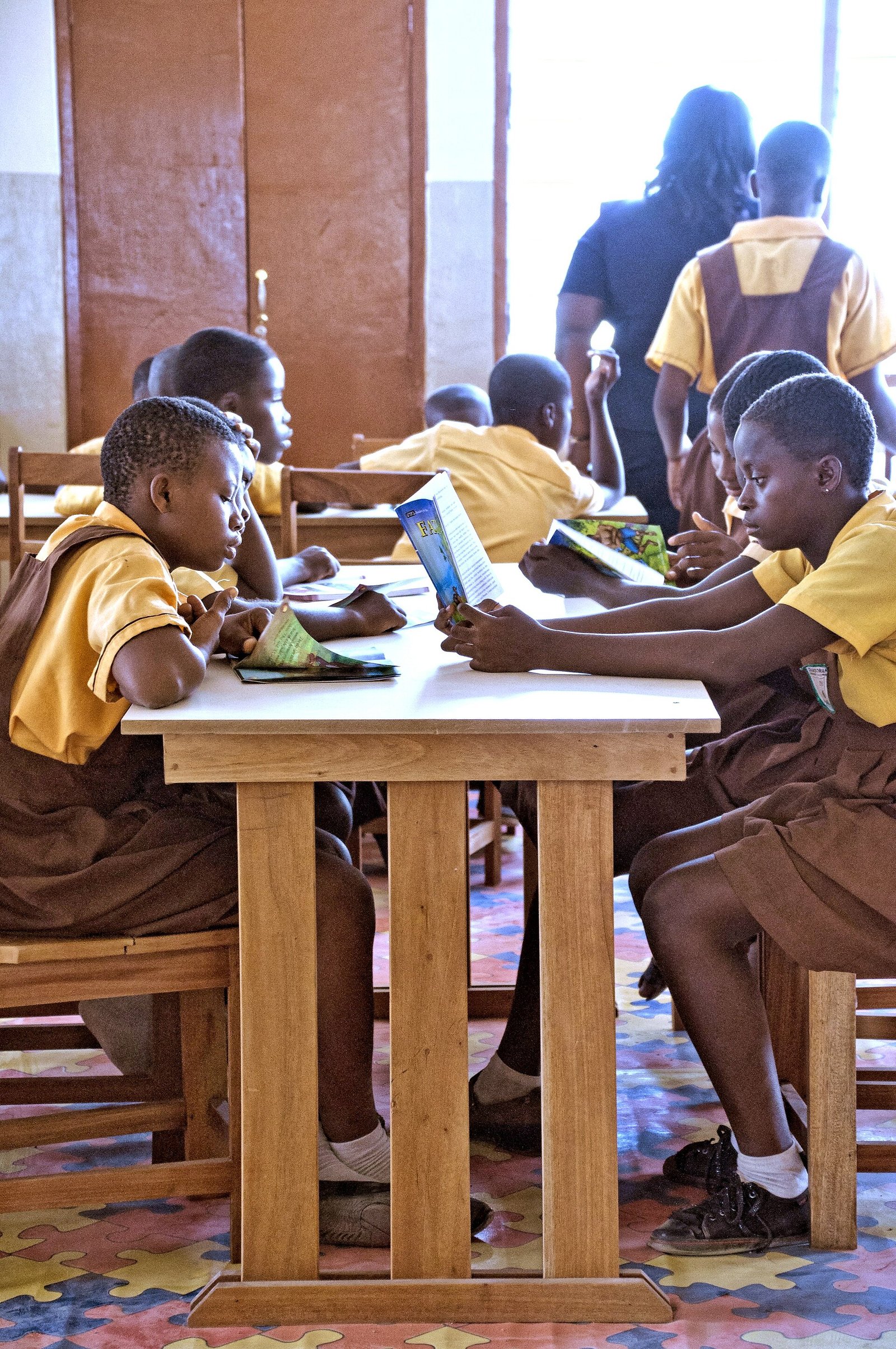
A general school morning in Ghana: children arrive with empty bags, a single exercise book shared among three classmates, the teacher writes on a slate while pupils copy by memory. Seventy one percent of street children are illiterate and cannot read the words on the page. Families pay about one hundred dollars a year for full school costs but many cannot afford the uniform, shoes or a single textbook. The day becomes a quiet struggle for basic learning tools. We see this every week when a donor sends a box of donated books that sit untouched in a corner because the titles do not align with the Ghana curriculum. Local titles match the Ghana curriculum; shipped books often sit unused; buying locally supports small publishers and keeps money in the community. Parents who cannot afford a textbook sometimes borrow one from a neighbour for a week, then return it, hoping the child will remember the lesson. the book-drive guide explains how to choose titles that fit the syllabus. When we purchase books from Ghanaian publishers, the stories reflect local languages, customs and everyday life. Children recognize the market scenes, the family compounds and the schoolyard games in the pages. This familiarity builds confidence and a love of reading that shipped books rarely spark. The cost of shipping a carton from overseas often exceeds the price of several locally printed titles, yet the impact feels smaller. Buying locally means the publisher can print more copies, and the community sees the investment return in jobs and school supplies. Every purchase helps keep money circulating in Ghanaian schools and homes. We document distributions with photos and short videos, and donors receive receipts within 48 hours. The simple act of choosing a locally printed story becomes a quiet act of hope for children who otherwise wait for someone else to bring them words.
What our homework clubs need to turn one book into many readers
Our homework clubs meet after school in simple community rooms. A single book arrives in a carton. We read it aloud together. Children take turns reading passages. Their voices grow stronger each week. This routine builds reading confidence and shared understanding. The homework clubs model turns one text into many moments of connection. We see shy faces become eager readers. Each child adds their own voice to the story. The same book travels from hand to hand. It sparks new questions and fresh ideas. Over time the room fills with the sound of turning pages and quiet laughter. A single donation becomes a shared path for many young minds.

The coordinated world book day drive we run for the occasion
We see this every week as donors arrive with a simple request to buy books from local markets. We photograph each book before distribution and the receipts go to donors within 48 hours. These steps let supporters see exactly how their generosity reaches a child in Ghana. We document every distribution with photos and short videos that capture the moment a book changes a life. Recurring donors receive monthly reports that show how many books moved through our hands. Anyone can request our documents on WhatsApp or arrange a field visit or a live call during a distribution. We are Muslim and Christian together serving every child and we never invent facts about the markets we use. We trust local sellers to provide the right stories for our children. Our donors often ask how they can track the impact of their purchase and we answer with clear evidence of each book leaving our hands. The coordinated effort feels personal because we keep the process close to the community. When a donor receives a receipt they know their contribution is already on its way to a classroom. We never exaggerate the numbers or the locations where the books are shared. Every detail we share comes from our own records and from the sellers who trust us. This transparency builds trust that lasts beyond a single day of celebration. We believe that supporting local markets strengthens the whole system of giving. It also protects the cultural authenticity of the stories that children read. When you join this drive you become part of a chain that moves books quickly and fairly. Your support fuels a cycle of reading that reaches the most vulnerable children. We hope you will consider buying a book through our local network and watching the receipt arrive in your inbox. run a World Book Day drive
How much a year of school really costs in Ghana
Sending a child to school in Ghana means more than tuition. Full school costs run about one hundred dollars a year for ages five to twelve; this covers uniforms, shoes, books, exam fees and parent teacher association levies. Many widowed mothers cannot meet this amount, and the gap often means children stay home or drop out before the term ends. The cost includes a uniform that must be worn every day, shoes that protect small feet on long walks to class, and books that become worn from shared use. Exam fees are due twice a year, and the parent teacher association levy adds a small but regular amount to the family budget. For a mother raising children alone after her husband's death, these expenses can feel impossible to manage on a daily income. We see this every week as we support families who choose between food and a school uniform.
Facts about out-of-school children and what they mean for literacy
More than half of the world's out-of-school children live in sub-saharan Africa, where close to thirty percent of the global total are denied a classroom. Unesco reports that two hundred fifty million children and youth are out of school worldwide, a figure that reflects the scale of the challenge. In Ghana, many families keep children at home to help with farming or household duties, and girls are often kept out of school earlier than boys. Illiteracy locks families into poverty, limiting choices and trapping generations in cycles of disadvantage. Without the ability to read, parents struggle to help with homework, and communities miss out on the economic benefits that education brings. The gap between enrolled and out-of-school children is not just a number; it represents missed opportunities for growth and development.
How you can run a world book day drive today
A world book day drive starts with a simple conversation. Many families in our communities have few books at home, and a single new or gently read story can change a child's day. We make it easy to join by collecting books, sorting them by age, and arranging safe distribution to the children we serve. Every book gathered is logged, and donors receive a receipt within 48 hours. Our team then documents each distribution with photos and short videos, sharing the joy of reading with supporters far away. Recurring donors get monthly reports that show exactly how the books reach the children who need them most. Anyone can request our documents on WhatsApp, and anyone can arrange a field visit or a live call during a distribution to see the impact firsthand.
Running a drive is also a chance to involve local schools, community groups, or workplace teams. You can set up a collection box, ask friends to donate a favorite title, or share a wish list of age-appropriate stories. Once the books are gathered, we handle the sorting, packaging, and delivery so that your effort becomes a lasting gift. The process is transparent, the photos are real, and the children’s faces say it all. Joining this work means becoming part of a story that continues long after the books are placed on shelves.
Joining a world book day drive is a way to share the gift of story with children who look forward to every new page. If you would like to start a collection or learn more about how your books can travel, please send a message to https://wa. Me/233249151503. We will guide you through the steps, answer your questions, and make sure every book finds a home where it will be read and loved.
how families can support literacy at home
Many parents want to help but school fees drain every available cedi. Uniforms shoes books exam fees and PTA levies add up fast and leave little for extra learning at home. The department of social welfare reports that seventy one percent of street children are illiterate which shows how quickly literacy can slip without steady support. Unesco says two hundred fifty million children and youth are out of school worldwide and sub saharan Africa's ninety eight point four million make up close to thirty percent of that global total. Families can turn one textbook into many reading moments by reading aloud together each evening even if only for ten minutes. Local purchased books work better than shipped cartons because they match the child's daily language and context. Homework clubs need a quiet space a trained volunteer and a steady supply of age appropriate titles to keep interest high. World book day drives shine a spotlight on the power of a single story to spark a lifelong love of reading.
why reading matters for Ghana's future
Reading opens doors that poverty tries to lock shut. Many children in Ghana walk to school without a single book at home. Families struggle to pay for uniforms, shoes and exam fees, leaving learning materials out of reach. Unesco reports that about 250 million children and youth are out of school worldwide, and sub-saharan Africa's 98. 4 million account for close to 30 percent of the global total. The department of social welfare confirms that 71 percent of street children are illiterate, a statistic that reminds us how quickly opportunities vanish without support. Full school costs in Ghana run about one hundred dollars a year for ages five to twelve, according to sedarvp Ghana, but what families still pay includes uniforms, shoes, books, exam fees, food and parent-teacher association levies. Our homework clubs turn one donated book into many readers by teaching children to share stories in small groups. World book day drives bring new titles directly into communities, proving that local-purchased books work better than shipped cartons. When parents read with their children at home, literacy grows faster than any classroom lesson alone can achieve. Every story read is a step toward breaking the cycle of poverty that keeps so many families awake at night.

FAQ
Why do local-purchased books matter more than donated cartons?
We see this every week. Locally purchased books match the Ghanaian curriculum, so children read what they will actually study in class. Donated cartons often contain outdated editions or books in languages the children do not speak. When we buy books locally, we can choose titles that reflect the children's own experiences and support Ghanaian publishers at the same time.
How much does it cost to keep a child in school in Ghana for one year?
It costs three hundred Ghana cedis to keep one child in school for one year. This fee covers the essentials: a uniform, a school bag, and basic supplies. For many families living in poverty, this amount is still too high. Your gift of three hundred Ghana cedis ensures a child does not have to stay home because of school costs.
What happens during a homework club session?
During a homework club session, children gather in a quiet room after regular school hours. A volunteer or staff member helps them with their assignments and reads with them. The focus is on building confidence so they can finish their work on their own. We see this every week as grades improve and children feel more proud of their progress.
Can I see proof before my donation is sent?
Yes, you can. We send receipts within 48 hours of receiving a donation. We also document every distribution with photos and short videos. Recurring donors get monthly reports. Anyone can request our documents on WhatsApp, and anyone can arrange a field visit or a live call during a distribution. We believe transparency is how we build trust.
How does World Book Day help reduce street child illiteracy?
World Book Day gives us a chance to put new books into the hands of children who have never owned one. On this day, we hold reading sessions and give each child a book to take home. When children have books of their own, they read more often. Over time, this simple act helps reduce illiteracy among street children and opens the door to a better future.
And if you are ready to turn good questions into good deeds, feed a child this week. Every gift gets a receipt within 48 hours and a photo of what it became.
