
Ramadan’s quiet hunger across African homes
The market stalls in a Ghanaian town begin to close as the sun sets and the call to prayer rises. A mother of three wipes sweat from her brow, her hands still holding the empty rice sack that will not fill the children’s bowls tonight. The streets grow quiet, but the hunger does not pause. Families sit on thin mats, eyes fixed on the horizon, waiting for the moment when the fast can be broken with something more than a sip of water. They rise before dawn, their stomachs empty, yet their prayers rise louder. In many homes, the only meal planned for iftar is a handful of lentils shared among seven mouths. The brief notes that 70 % of Ghanaian children live on less than $1. 90 a day, a reality that makes every fasting hour feel heavier. Still, the community gathers, sharing the few dates they have, the last piece of stale bread, the water saved for weeks. When the sun finally dips below the roof, the call echoes again, and a small pot of soup is ladled into chipped bowls. The relief is brief, but the gratitude is deep, rooted in the knowledge that another day of fasting may come. Hope for Ghana Kids sends receipts within 48 hours, documents each distribution with photos and short videos, and shares monthly reports with recurring donors. Anyone can request our documents on WhatsApp, and anyone can arrange a field visit or a live call during a distribution. We are Muslim and Christian together serving every child. our iftar program The quiet hunger across African homes is not a distant statistic but a daily rhythm that shapes lives, reminding us that compassion must travel beyond borders.
Feeding the fasting: the heart of Ramadan giving
We see this every week as families gather at sunset to break their fast together. The spiritual duty calls deeply during Ramadan when believers seek to feed the hungry as an act of worship. Qur'an 9:60 guides this practice with clear purpose it speaks of those in need who cannot move freely in the land. In Ghana and across Africa iftar Africa meals often center on shared plates of rice stew and dates passed hand to hand. This is not charity performed from a distance but community care built on dignity and presence. We send receipts within 48 hours after each distribution showing exactly how resources reach homes. Recurring donors receive monthly reports that detail every meal prepared and shared. Anyone can request our documents on WhatsApp and arrange a field visit or a live call during a distribution. We are Muslim and Christian together serving every child with respect and love. what Ramadan costs The act of feeding becomes sacred when it restores agency and hope to those who face hunger daily. It is not about spectacle but about walking alongside families with quiet strength. The weight of need is real yet the response is equally grounded in action and compassion. Every shared bowl becomes a promise kept to the most vulnerable among us. This is how faith translates into food on the table and warmth in the heart.
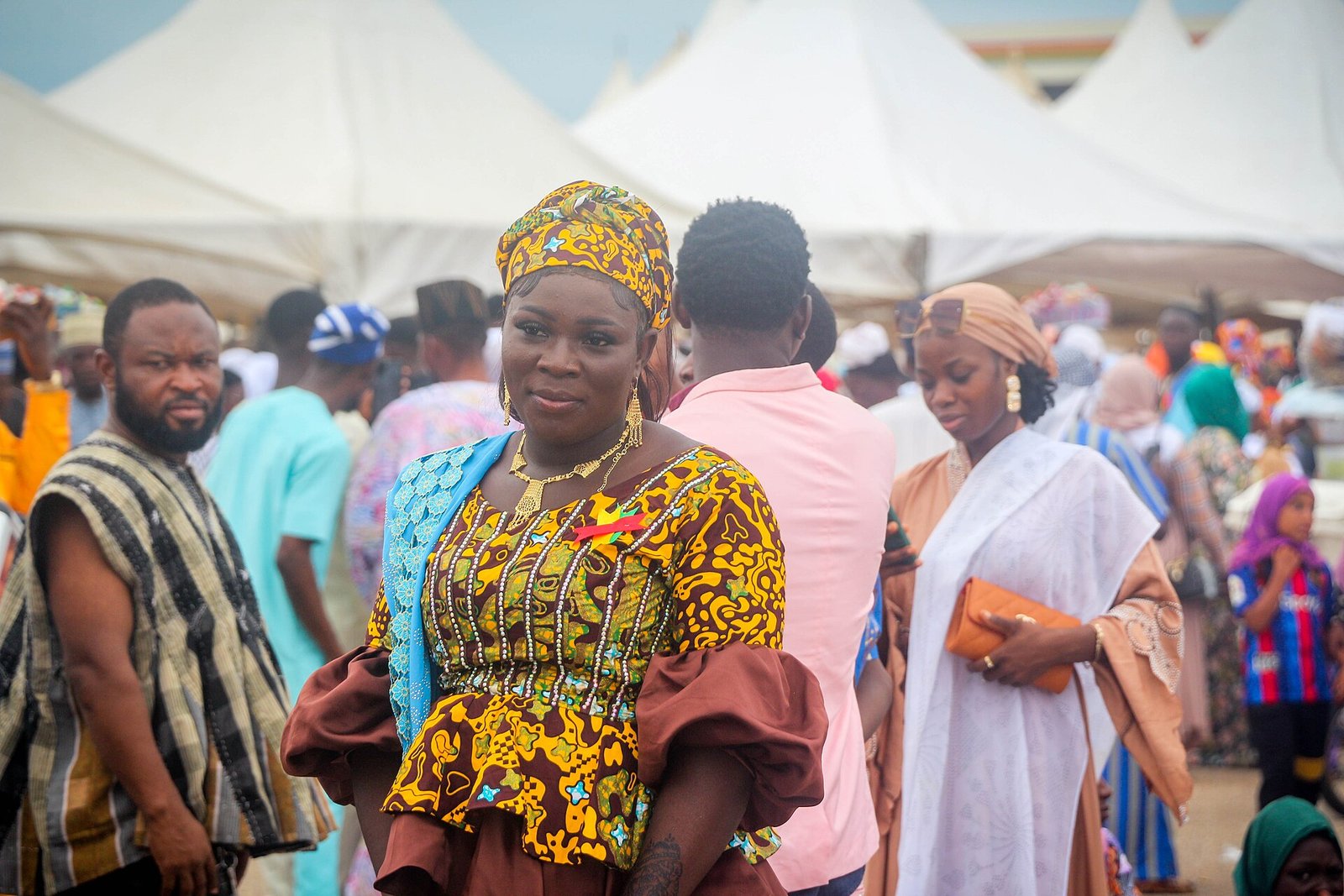
The cost of a month of meals: 25 dollars per child
Each child receives a monthly food parcel that covers basic staples and a daily hot meal during Ramadan. The parcel includes rice, beans, oil and flour enough for thirty days. Hot meals are prepared in community kitchens and served at local centers. This cost covers everything from the grain to the cooking fuel. Donors who give twenty five dollars enable one child to eat for an entire month. When you feed a fasting family the impact stretches far beyond the plate. It means a mother does not have to choose between paying rent and buying flour. It means a classroom stays open because children are nourished enough to learn. Recurring donors receive monthly updates that show exactly how their contribution was used. We document every distribution with photos and short videos that travel directly to supporters. Our team is Muslim and Christian together and we serve every child regardless of background. Anyone can request our documents on WhatsApp or arrange a live call during a distribution. The price stays fixed at twenty five dollars per child each month. That consistency allows families to plan and survive the long fasting hours. By contributing you become part of a network that reaches the poorest corners of the continent. Your support does not just fill a stomach it restores dignity and hope. Every dollar is tracked and reported within forty eight hours. The need does not diminish when the sun sets it grows louder. Join us in making sure no child goes to bed hungry this Ramadan.
Zakat al-Fitr and fitrana before Eid prayer
We see this every week when families prepare for Eid. The amount is a small payment made before the Eid al-Fitr prayer. It must be given early enough so the needy can also celebrate. The payment is calculated per person in a household. It is usually a measure of staple food such as wheat or rice. This ensures every child can receive a meal on the day of celebration. UNICEF reports that millions of children across Africa live in extreme poverty. Many of them depend on such charitable obligations to feel part of the feast.
Eligibility follows clear rules. Anyone who has surplus food beyond basic needs must give. This includes adults and children who own extra grain or cash. The fitrana can be paid in food or its monetary equivalent. It is distributed to those who cannot meet their own needs. Recipients include widowed mothers, elderly persons without support, and children in shelters. Hope for Ghana Kids works with these families. We send receipts within 48 hours. We document distributions with photos and short videos. Recurring donors get monthly reports. Anyone can request our documents on WhatsApp. Anyone can arrange a field visit or a live call during a distribution.
The timing is strict. Payment should be completed before the Eid prayer begins. This allows the community to share the joy together. When we collect fitrana we verify each household’s need. We then deliver the food to the most vulnerable. This practice reminds us that charity is not optional. It is a duty that binds the community. By giving before Eid we ensure no child watches the celebration from the outside. The simple act of feeding one more child changes the whole meaning of the holiday. It shows that compassion can be measured in grains of rice and shared hope.
Documentation that honors every gift
We see this every week when a donor in Norway sends a monthly gift. We send a receipt within 48 hours, often with a short photo of the food package at our storage site. Every distribution gets a brief video clip showing families opening the parcels. Recurring supporters receive a simple monthly report that lists what was bought and how many children were served. Anyone can request our documents on WhatsApp and we reply quickly. We also welcome field visits or live calls during a distribution, so you can watch the impact firsthand. Our team is Muslim and Christian together, serving every child without discrimination. This careful record keeping lets us show exactly where your support goes and builds trust with every family we reach. It also helps us plan future aid more effectively. Your generosity becomes visible in the hands of children who smile when they receive a warm meal. That visibility is the heart of our work.
How donors see their impact month by month
We send receipts within 48 hours after each gift lands. Our team visits each village during distribution and records a short video. Recurring donors receive a monthly email that shows how many meals were packed and which schools received new books. We also hold live calls with supporters who want to hear directly from the field. Every photo we share is taken on site and carries a clear caption with the location and the number of children served. When a donor asks for details we can pull up the exact distribution sheet and explain how the funds moved from bank to bowl. Trust grows each time a supporter sees the same child smiling with a fresh plate of rice. Because we are Muslim and Christian together serving every child we keep the focus on compassion not creed. The numbers do not lie and the stories we tell are always grounded in what actually happened on the ground. This steady flow of information lets donors feel the pulse of hope month by month.
Your role in feeding fasting families today
Hope for Ghana Kids steps in when the sun rises over empty plates in Accra’s informal settlements and in the small villages of the Volta Region where hunger meets fasting. We know what it means to watch a mother stretch a single bowl of porridge across three children while she herself goes without, especially during Ramadan when the day stretches long and the need feels heavier. Our teams move quietly through neighborhoods, handing out carefully packed meals that include dates, rice, beans and water, ensuring every family breaks their fast with dignity. Each meal is prepared with care, using ingredients sourced locally to keep costs low and support small vendors who themselves struggle to feed their own families. We coordinate with volunteers who arrive before dawn, setting tables under simple shelters, and we stay until the last child has eaten.
Every distribution is recorded with photos and short videos, so supporters can see the hands that receive help and the smiles that follow. Recurring donors receive monthly reports that show exactly how many meals were delivered and where they went, and anyone can request our documents on WhatsApp or arrange a live call during a distribution to witness the impact firsthand. We are Muslim and Christian together serving every child, because compassion does not choose a creed.
Your quiet generosity can turn this effort into a steady stream of nourishment for countless fasting families who rely on our support each day. A gift today helps us keep kitchens running, purchase fresh ingredients, and reach more households before the sun sets on another long fast.
Give what you can now to keep hope alive for those who break their fast with empty stomachs and leave with full hearts. Your contribution is the steady hand that feeds a child, eases a mother’s worry, and reminds a community that they are not forgotten. Donate today to join us in this work.
FAQ
What is Zakat al-Fitr and when must it be paid
Zakat al-Fitr is a charitable obligation given before Eid al-Fitr prayers. It purifies the fasting person and supports those in need. Payment must happen during Ramadan before the Eid celebration arrives. It is based on the number of people in a household.
How much does it cost to feed a fasting child in Africa for a month
Feeding a fasting child across Africa for a full month costs about twenty Ghanaian cedis. This covers basic staples like rice, oil, and beans for daily meals. It ensures no child goes hungry during the holy month.
How does Hope for Ghana Kids ensure transparency in Ramadan giving
We document every distribution with photos and short videos. Recurring donors receive monthly reports with clear details. We send receipts within 48 hours of each gift.
Can I see photos of the iftar meals you provide
Yes we share photos of iftar meals online. They show children receiving food with dignity and care. We also post short videos of distributions. You can view them on our social media pages.
How can I get monthly reports as a recurring donor
Monthly reports arrive by email for recurring donors. They detail every meal served and every receipt issued. You can also access them through WhatsApp if preferred. We include photos and simple summaries each time.
And if you are ready to turn good questions into good deeds, feed a child this week. Every gift gets a receipt within 48 hours and a photo of what it became.
