
The seasonal pressure on poor families
In the crowded markets of Ghana, widowed mothers calculate the cost of rice and oil with a heavy heart. They want their children to eat well during the holy month, but prices often rise. For many, the pressure is overwhelming. We see this every week. Poverty pushes families to the brink. In fact, 64 percent of street children left home because of family poverty. This cycle makes the seasonal demands of the holy month feel like an impossible mountain to climb.
During Ramadan, the pressure on food security doubles. Families must provide meals for Suhoor before dawn and Iftar after sunset. These meals need to be nutritious to sustain those who are fasting. A simple bowl of porridge or a small portion of rice is not enough when children are growing. The cost of staples increases as demand peaks across the country.
Widowed mothers face the hardest struggle. They often have no second income to rely on when the cost of living spikes. They try to balance the need for protein and vegetables with a budget that barely covers the basics. It is a constant worry. They ask themselves if they can afford enough oil or flour to make the meals special for their kids.
We see the stress in their eyes when they realize their money will not last the whole month. Many mothers skip their own meals so their children can eat. This sacrifice is common but heartbreaking. It is why we provide the Ramadan season guide to help supporters understand the specific needs of these homes.
The lack of a father figure means these women carry the entire financial burden alone. They do not have a safety net. When prices go up, there is no other source of funds to bridge the gap. This creates a desperate situation where nutrition is sacrificed for calories.
Poor families do not want handouts, but the seasonal surge in prices leaves them with no choice. The cost of feeding a family during this time is far higher than in any other month. This financial strain often lasts long after the fasting period ends.
Understanding the costs of Eid and fitrana
The end of the fasting month brings a specific kind of pressure for the families we support. Zakat al-Fitr, often called fitrana, is a mandatory charitable contribution that must be paid before the Eid al-Fitr prayer. It is meant to ensure that every person, regardless of their wealth, has enough food to celebrate the holiday. For a wealthy person, this is a small gesture. For a widowed mother living in poverty, it represents a significant financial hurdle.
We see this struggle every week as the holiday approaches. Many mothers want to fulfill this religious obligation, but they are already struggling to provide basic meals. When the cost of grain rises, the burden of fitrana becomes heavier. This is why iftar giving is so helpful during the month, as it frees up a small amount of money that families can save for these mandatory end of month costs.
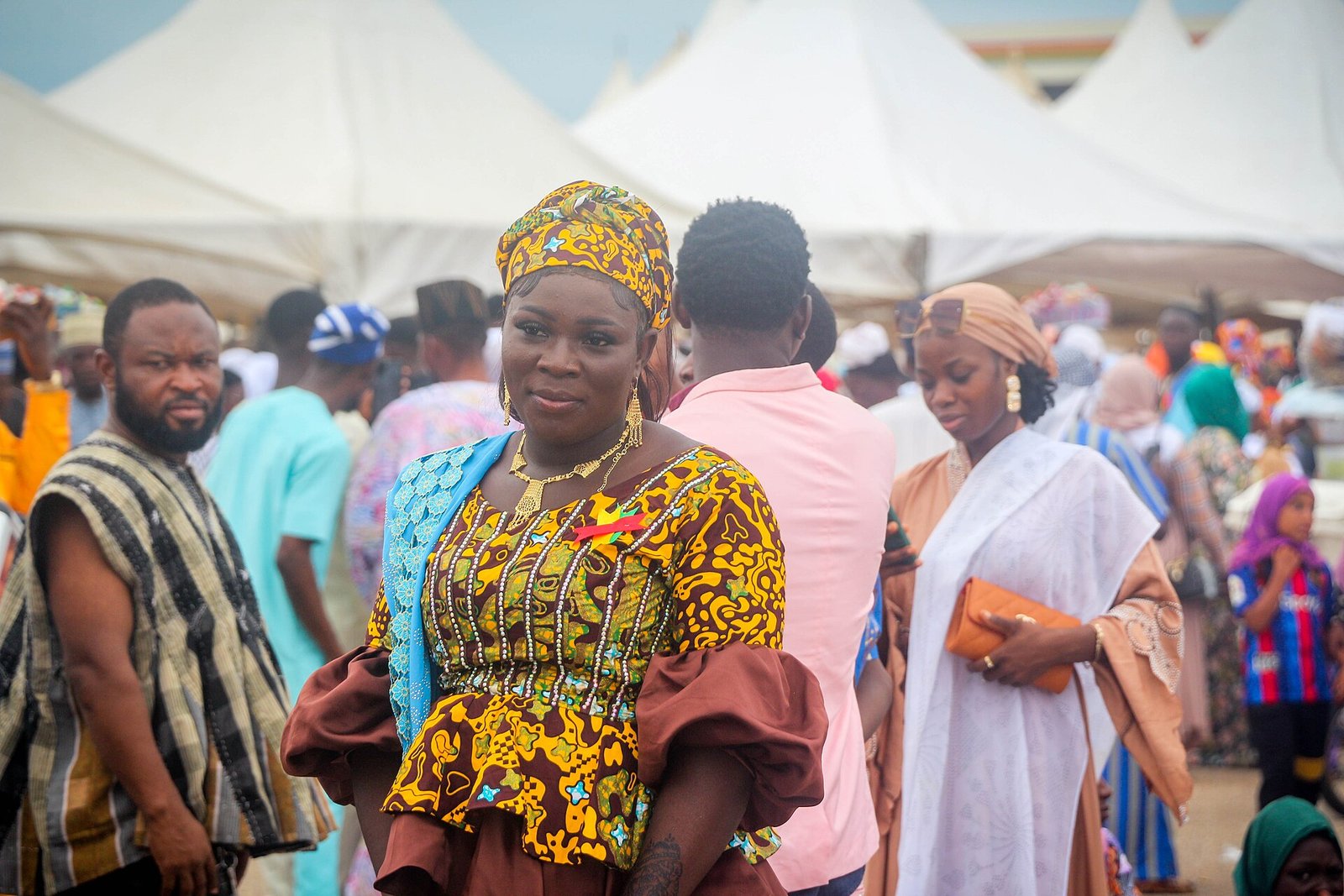
Beyond the religious obligation of fitrana, there is the social expectation of new clothing. In Ghana, wearing new or clean, bright clothes for Eid is a deeply held tradition. Children especially look forward to this. A child who spends their days on the street or in a shelter feels the sting of poverty most sharply when they have nothing new to wear while their peers are dressed in festive attire.
Buying a simple set of clothes for a child is an expense that many parents simply cannot afford. They must choose between a new shirt for their son or enough flour for the week. This choice is heartbreaking. We try to step in to make sure no child feels left out during the celebrations.
You can find more details on how these contributions help our children in our Ramadan Zakat season guide Ghana children. We are Muslim and Christian together serving every child to ensure these traditions bring joy instead of stress. This collective effort helps remove the shame of poverty during a time of spiritual reflection.
Who is eligible for your Zakat
The Qur'an provides clear guidance on who should receive Zakat in Surah 9:60. It specifically mentions al-fuqara and al-masakin, referring to the poor and the needy. In our daily work, we see these categories manifest as widowed mothers who cannot afford a single meal for their children. We see them as orphans who have no one to provide for their basic schooling or shelter. These families live in a state of constant uncertainty.
Hope for Ghana Kids operates on a foundation of shared humanity. We are Muslim and Christian together serving every child. This partnership allows us to reach the most vulnerable people regardless of their faith. We believe that hunger does not ask for a person's religion before it strikes. Because of this, our support goes to any child who is suffering, whether they are Muslim, Christian, or from another background.
Your Ramadan giving reaches those who truly fit the descriptions of the needy. We make sure your contributions are handled with total transparency. For instance, we send receipts within 48 hours of a donation. We also document distributions with photos and short videos so you can see the impact. This ensures that the Zakat reaches the intended recipients.
Trust is a core part of our relationship with donors. Anyone can request our documents on WhatsApp if they want to verify our work. Some supporters even arrange a field visit or a live call during a distribution to see the process. We want you to feel certain that your generosity is changing a life. This open approach helps us maintain the integrity of the support we provide to widowed mothers and their children.
How our food program lightens the load
We see the relief on a mother's face when she knows her children will eat. For many families we support, the cost of food during the fasting month is a burden they cannot carry alone. Our food program steps in to fill this gap. We provide hot meals to children for 25 dollars per child per month. This small amount ensures that a child does not go to bed hungry after a long day of fasting.
These meals provide the necessary energy for children to stay in school and keep learning. Many of these children are orphans or live on the streets. They often lack a stable home or a reliable source of nutrition. By covering the cost of these meals, we remove a massive financial weight from the shoulders of widowed mothers. They can then use their limited resources for other urgent needs like medicine or clothing.
Beyond the daily hot meals, we provide family food parcels. These parcels contain essential staples that allow a household to prepare their own meals at home. Having a stock of rice, oil, and other basics means a mother does not have to worry about where the next meal comes from. It gives the family a sense of security that is often missing in their daily lives. You can read more about our specific efforts for iftar meals in Ghana at ../blog/iftar-meals-ramadan-ghana.html.
Our team consists of Muslims and Christians working together to serve every child. We believe that hunger does not have a religion. We make sure that every distribution is handled with dignity and care. To keep our supporters informed, we document distributions with photos and short videos. We want you to see exactly where your generosity goes.
Transparency is a core part of how we operate. We send receipts within 48 hours of a donation. If you want to see the impact yourself, anyone can arrange a field visit or a live call during a distribution. We also allow anyone to request our documents on WhatsApp. These measures ensure that every dollar is used to feed a hungry child.
Why transparency matters for your giving
Trust is the only bridge between a donor in another country and a child in Ghana. We know that sending money across borders can feel uncertain. You want to be sure that your contribution actually reaches a widowed mother or a hungry child. This is why we do not ask for blind faith. We prefer to provide evidence that your kindness has a tangible result.
Our process starts the moment you give. We send receipts within 48 hours of receiving your donation. This simple step confirms that your funds are safely in our hands and ready for use. It removes the anxiety of wondering if a transaction was successful.
We believe that seeing is believing. Because of this, we document distributions with photos and short videos. When we hand out food parcels or school supplies, we record the moment. You can see the bags of rice and the smiles of the children. These visuals prove that the resources arrived exactly where they were intended.
For those who support us on a regular basis, we provide more detail. Recurring donors get monthly reports. These updates explain how the collective gifts were spent over the last few weeks. They show the steady progress we make together.
Communication should be easy and direct. Anyone can request our documents on WhatsApp. This allows for a quick conversation and a fast exchange of information. We do not hide behind long email chains or complex portals. We stay accessible to everyone who cares about our work.
Some supporters want a deeper connection to the field. Anyone can arrange a field visit or a live call during a distribution. You can witness the delivery of aid in real time. This level of openness ensures that we remain accountable to you.
Our team is a reflection of the community we serve. This unity helps us reach families from all backgrounds without bias. It means we understand the specific needs of Ramadan while maintaining a broad commitment to all orphans and street children.
Transparency is not just about paperwork. It is about the dignity of the giver and the receiver. When you know exactly where your money goes, you are more likely to keep giving. This stability allows us to plan for the long term. We can secure more shelters and enroll more children in school when our funding is consistent. Your peace of mind fuels the survival of the families we support.
Timing your donations for maximum impact
Planning your giving around the lunar calendar allows us to prepare the food and supplies families need before the fast begins. When donations arrive early, we can buy staples in bulk. This reduces the cost per bag of rice or oil. It ensures that the widowed mothers we support have their pantries full before the first day of Ramadan. We see this every week in the way early preparation reduces stress for the children.
The period leading up to the holiday is often the most difficult. Prices for basic goods tend to rise as demand increases across the country. By contributing before the peak season, you help us avoid these price hikes. Your gift goes further when we buy early. This stability means a child does not have to wonder if there will be a meal for Suhoor.
Budgeting for Fitrana is another area where timing matters. Fitrana is the obligatory charity given at the end of the month to ensure the poor can celebrate Eid. Many families struggle to save for this specific requirement while they are already hungry. If you plan your Fitrana contributions in advance, we can distribute these funds exactly when they are needed most. This prevents the sudden financial gap that often hits poor households during the final days of fasting.
We want you to feel connected to the impact of your kindness. We are Muslim and Christian together serving every child, and we believe in full transparency. We document distributions with photos and short videos so you can see the food reaching the families. If you have questions, anyone can request our documents on WhatsApp. You can also arrange a field visit or a live call during a distribution to see the work yourself. We send receipts within 48 hours of every gift.
Your support helps us keep these children in school and sheltered. It provides a safety net for mothers who have lost their husbands. When we time our resources correctly, we can provide a dignified experience for every family. This allows the children to focus on their faith and their studies rather than their hunger.
If you would like to help us prepare for the next fasting season, please visit ../donate.html. Your kindness makes a real difference for a child in need.
FAQ
How much does it cost to feed a child in Ghana during Ramadan?
The cost depends on the specific food packages and nutritional needs of the children. We work to ensure every child receives healthy meals during this holy month. Our team manages these costs carefully to reach as many street children and orphans as possible. We welcome any contribution that helps us provide these essential meals.
Do you provide proof for Ramadan food donations?
We send receipts within 48 hours of your donation. Our team also documents distributions with photos and short videos so you can see the impact. Recurring donors receive monthly reports about our work. You can also request our documents on WhatsApp or arrange a live call during a distribution.
Can I give Zakat for non-Muslim children in Ghana?
Our focus is on feeding, schooling, and sheltering poor, orphaned, and street children regardless of their faith. We also support widowed mothers in their time of need. We ensure that help reaches those who need it most in our community.
When is the best time to send fitrana donations?
Sending your donations early helps us plan and purchase food in bulk. This ensures that every child has a meal ready for the festivities. We appreciate timely gifts that allow us to organize distributions efficiently. Your support makes a real difference for the children we shelter.
