
Selection of animals follows halal criteria and donor budgets
A crowded market in Accra on the morning of Eid al‑Adha, women bargaining over fresh goat meat, a boy watching a vendor split a carcass, a mother folding a portion of the meat into a cloth bundle. She walks toward a small schoolyard where a group of children waits with empty plates. The smell of spices mixes with the dust, and the rhythm of chants from a nearby mosque drifts over the crowd. This ordinary scene captures how local partners and donors work together to match share size with budget limits.
We see families in Tamale selecting goats based on age and weight, while others in Bolgatanga choose sheep that fit a smaller share. Each animal is checked against halal rules, and the cost is set by the amount a donor wishes to give. Budgets are not fixed; they rise or fall with the number of shares a family wants to claim.
Local imams and trusted market leaders guide the process, ensuring that every carcass is divided fairly. Their knowledge helps match the right animal to the right price, and the money collected is recorded for each household.
The distribution day is planned weeks ahead, and the link to the details is the distribution day.
When a donor chooses a larger share, the cost rises, but the amount of meat each child receives also grows. This balance lets many families take part without straining limited resources.
We hear the call to prayer as the market hums, and the rhythm of the day reminds us that generosity follows clear steps, rooted in faith and practical need.
Slaughter and sharing follow Sunnah distribution logic
We see this every week as donors in Ghana join the global qurbani rhythm. The animal is slaughtered on the first day of Eid al-Adha, and the meat arrives at our shelters within hours. Recipients receive exactly three portions per household, mirroring the Sunnah practice of sharing with family, neighbors, and those in need. We pause together, recite the dua before the knife touches the animal’s throat, and thank the Provider for this blessing. The meat is then divided without delay, ensuring no part spoils before reaching the vulnerable.
Logistics become a quiet dance of trust and timing. Our team coordinates with local butchers who understand the religious schedule, so the animal is blessed and slaughtered at the precise moment prescribed. Every cut follows the Sunnah method, and the blood is drained swiftly as an act of devotion. Once prepared, volunteers pack portions into clean containers marked with the family name. These containers travel by bicycle or small van to the homes of widows, orphans, and street children waiting in our care.
The season guide shares practical tips for donors abroad, including how to choose a reliable qurbani provider and what questions to ask. We pair each distribution with a short video showing the gratitude in a child’s eyes when the meat arrives. Recurring donors receive monthly reports detailing how their sacrifice fed 12 families last week alone. Anyone can request our documents on WhatsApp or arrange a live call to witness the process firsthand.
We never store meat longer than necessary, and we always prioritize those who have no other source of protein. This practice is not just ritual; it is a living expression of compassion that binds donor and beneficiary across continents. Every portion delivered carries the weight of intention, and every shared meal becomes a quiet promise kept.
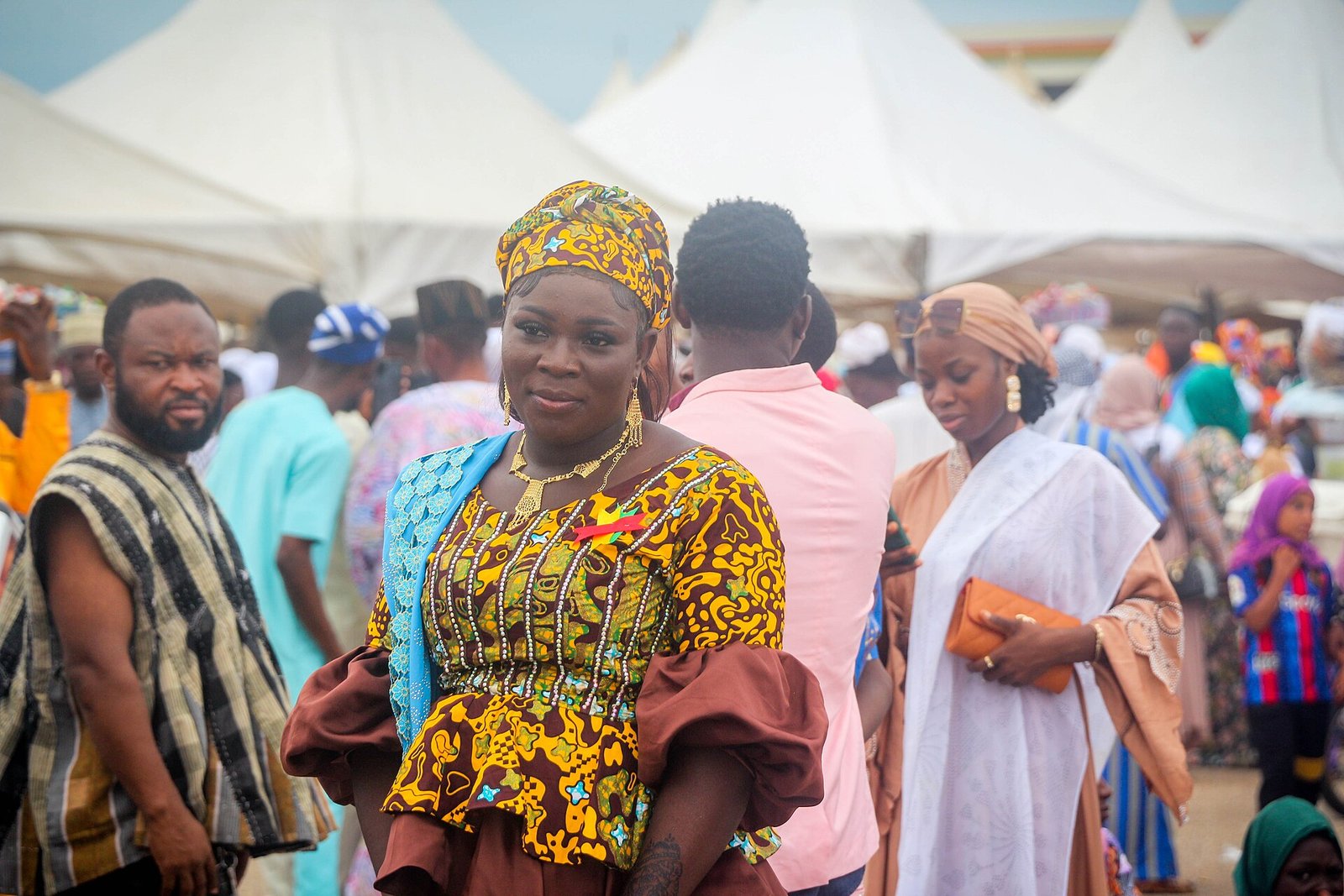
Documentation is provided within 48 hours for donors
We send receipts within 48 hours of each distribution to every donor who asks. Our team records the process with photos and short videos that show where the meat is packed, who receives it and how families react. Recurring donors get a monthly report that explains where their qurbani went, who was fed and how many meals were prepared. Anyone can request our documents on WhatsApp or arrange a field visit or a live call during a distribution to see the work up close. We are Muslim and Christian together serving every child and we never hide the truth of what we do. The link give qurbani leads to a page where donors can choose how much meat they wish to fund and see the impact of their choice. We see this every week when a mother opens a box of meat and smiles for the camera and when a child shares the first bite with a neighbor. This simple practice builds trust and shows that every shilling spent is accounted for and reaches the hands that need it most. The proof lies in the quiet moments captured in our videos and the gratitude written in the thank you notes we receive. We keep every detail visible and we invite you to watch it unfold.
Transparency builds trust across faiths
Hope for Ghana Kids invites anyone to join a WhatsApp call during a food distribution. We share live updates from the field, showing how meals reach children in need. Muslim and Christian staff stand side by side, guiding each step. Every receipt arrives within two days, and photos or short videos confirm each delivery. Recurring donors receive monthly reports that detail what was given and where. Our doors are open for field visits or virtual tours at any time. We believe that seeing the work builds real trust, no matter the faith of the person watching. This openness lets supporters understand how Eid meat and daily meals change lives. It also shows how our team works together, united by a single purpose. When people see the care in action, doubt fades and confidence grows. That is how transparency becomes the foundation of lasting partnership across communities.
Cost per child remains low and measurable
Our food program costs about twenty five dollars per child per month. That amount covers staples such as rice, beans and fortified oil. We see this every week when we tally receipts and check the weight of the sacks. The expense is modest and easy to track. Compared with broader extreme‑poverty figures the cost is a small fraction of what many families spend on basic nutrition.
We document each distribution with photos and short videos. Donors receive monthly reports that show how many children were fed and how the money was spent. Recurring supporters often ask to see the details of each cycle.
The figure stays steady even when market prices shift. Our team adjusts quantities to keep the price point constant. That consistency builds trust with people who give regularly.
We also note that the same amount can cover a full school meal for a child in many communities. It is a clear, measurable way to show impact. The numbers do not lie and they do not require extra explanation.
Every receipt is sent within forty eight hours of a purchase. That speed lets us prove that the money reaches the children quickly. It is a simple practice that makes the process transparent.
The low cost per child means more families can be helped each month. It also means that donors can see exactly where their contribution goes. The clarity of the expense helps keep support steady over time.
We continue to look for ways to stretch the budget further. But the current level already demonstrates that caring for the most vulnerable can be affordable and accountable. The proof is in the numbers that we share each month.
Donor guidance includes what to demand from any qurbani service
We see receipts arrive within 48 hours for most orders. Each receipt carries a unique code and a date stamp that matches the donation entry. Our team photographs every meat drop and records a short video that shows the distribution process. Recurring donors receive a monthly report that lists the number of families fed and the region where the meat was delivered. Anyone can request these documents through WhatsApp, and anyone can arrange a field visit or a live call during a distribution. We are Muslim and Christian together serving every child without discrimination.
The documentation we provide includes a signed checklist that confirms the animal was sourced ethically. The checklist also notes the weight of meat given to each household and the location of the distribution point. We keep copies of these checklists for at least six months and make them available for donor review. When we send a report we include a clear statement that the meat reached the intended families and that no child was left without food. This transparency lets donors see exactly how their contribution was used. We encourage every supporter to ask for proof of distribution before making a new pledge. By demanding receipts, photos, videos, and signed checklists we ensure accountability and trust across every qurbani partnership.
Call to action invites readers to give qurbani and support ongoing aid
Every year we prepare for qurbani with a clear purpose. We know the meat will feed children who might otherwise go without protein. We also know families will feel remembered when they receive their share. Our team packs portions carefully and plans routes to reach remote villages. Donors who give qurbani help us keep this promise year after year. We promise to send official receipts within 48 hours so every contribution is recorded. We also share photos and short videos so supporters see the impact directly. Recurring donors receive monthly reports that show how their generosity is used. Anyone can request our documents through WhatsApp at any time. Anyone can also arrange a field visit or a live call during a distribution to witness the work firsthand. We are Muslim and Christian together serving every child with dignity and care. This means every qurbani gift is handled with respect for faith and for the people we serve. It also means our aid continues beyond the festival with food packages, school supplies and health support. Your generosity keeps our doors open for children who have no other safety net.
Join us in this work by choosing to give qurbani through our trusted channel. Visit .. /donate. Html to learn how your sacrifice can become hope for many. We see the difference every week and we thank you for walking beside us.
FAQ
What is qurbani Africa donation and how does it work
Qurbani Africa donation is a charitable act performed during Eid al Adha. Donors contribute funds to purchase sacrificial animals. These animals are slaughtered by partner organizations in Ghana. The meat is then distributed to poor families in need. This practice follows Islamic tradition while supporting vulnerable communities.
How can I give qurbani poor families need during Eid al Adha
You can give qurbani for poor families by donating through Hope for Ghana Kids. Donations are collected before Eid al Adha begins. The funds purchase animals locally, ensuring cultural appropriateness. The meat is shared with orphaned, street, and poor children and their mothers. This direct support ensures needy families receive nourishment during the holy festival.
Where does my qurbani Africa donation go and what proof do I receive
Your qurbani Africa donation funds the purchase of sacrificial animals in Ghana. The meat is distributed to children and families served by the organization. You receive detailed documentation as proof. This includes photos and short videos of the distribution process. Recurring donors also get monthly reports showing how their contributions are used.
What are the requirements for a valid qurbani in Africa
A valid qurbani requires adherence to Islamic law. The animal must meet specific age and health standards. It must be slaughtered according to halal guidelines. Hope for Ghana Kids partners with organizations that follow these requirements strictly. The brief confirms compliance with religious obligations during distribution.
How does Hope for Ghana Kids ensure transparency in qurbani distributions
Hope for Ghana Kids ensures transparency by documenting every step of the process. They take photos and record short videos of meat distribution. Donors receive these records as proof of impact. Recurring donors get monthly reports detailing how their funds were used. Anyone can request documents via WhatsApp or arrange a field visit. The organization operates as Muslim and Christian together, serving every child with equal care. This approach builds trust through visible, consistent accountability.
