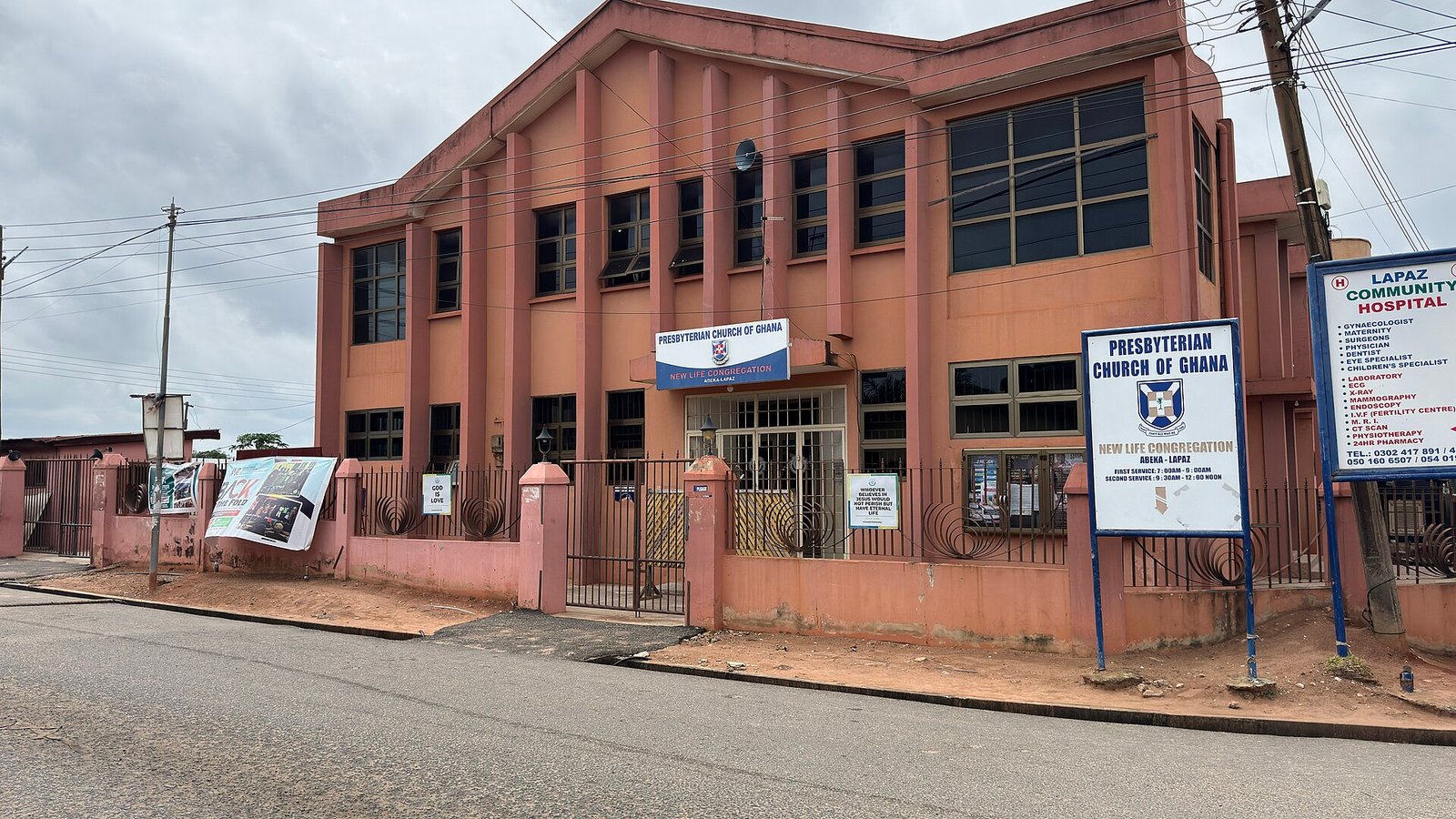
Why diaspora churches partner with Ghanaian programs
Ghana's streets come alive each school morning as children in crisp uniforms walk past market stalls. A widow balances a tray of vegetables while her youngest clings to her skirt. These scenes are the everyday reality for families across the country. Faith groups abroad watch from afar and often ask how their giving can turn into real change on the ground. church partnerships often begin when a congregation wants to support vulnerable children but worries that donations will disappear into opaque systems. The most effective partnerships grow when churches see execution evidence not just proposals; they look for organizations that keep receipts within 48 hours and share photo proof of distributions. 48 hours after receiving a donation, Hope for Ghana Kids issues receipts and captures distribution moments through photos and brief videos, ensuring churches have clear evidence that their contributions are directly assisting the children they aim to support. Those who give regularly get monthly updates, and any individual may obtain our paperwork via WhatsApp or set up a site tour or a live conversation when a distribution takes place. We are Muslim and Christian together serving every child, and our model shows that transparency builds the trust needed for long-term collaboration.
How congregational giving funds classrooms and meals
The rhythm of a Ghanaian classroom depends on the generosity of those who give. For families living on the margins, school fees and daily meals are often out of reach. Congregational giving bridges that gap, turning a hopeful prayer into a reality for every child who walks through our doors. A full school year costs about one hundred dollars for ages five to twelve, a modest sum that covers tuition, supplies, and the structure of learning. Daily hot meals run roughly twenty five dollars per child per month, ensuring no student learns on an empty stomach. Beyond the classroom, family food parcels extend this support home, offering nourishment when the school day ends. Orphan Sunday reminds congregations that every gift, no matter the size, plants a seed of stability in a child's life.
We see this every week as donations arrive and classrooms fill. Those who give on a regular basis are sent monthly updates that illustrate how their ongoing support makes a tangible difference. Our documents are accessible via WhatsApp for anyone, fostering trust through openness. We are Muslim and Christian together serving every child, united by a shared commitment to dignity. The funds allow us to send receipts within 48 hours, honoring the generosity of every giver. This model of congregational giving does more than pay bills; it builds a foundation of hope that lasts far beyond the school year.
The treasurer's checklist for cross-border giving
We see this every week as gifts cross borders to reach our children. The treasurer's first signal is execution evidence. Donors sending money overseas require documentation confirming that the transfer was received in full and applied to the designated purpose. We send receipts within 48 hours of every distribution and document each transaction with photos and short videos so the giver can see the impact in real time. This level of transparency builds the trust that makes future gifts possible.
The second signal is an accountability culture. A treasurer must ask not only whether funds were received but whether the receiving organization has systems to track, report and return unused resources. Those who give on a recurring basis receive monthly updates, whereas any single contributor can obtain our reports through WhatsApp or arrange a field visit when a live distribution takes place. This openness means no gift is a black box.
The third signal is partnership readiness. Before money moves, the receiving partner must show they can manage cross-border funds without creating undue risk. We support widowed mothers and orphaned children, and we work with both Muslim and Christian groups who share our commitment to every child. This shared mission means our partners understand the responsibility that comes with each transfer.
The fourth signal is realistic ambition. A treasurer should match the size of the gift to the capacity of the partner. A large gift requires larger systems; a modest gift requires simpler but still rigorous tracking. We believe that trust grows best when the scale of giving matches the scale of the organization's structures.
The fifth and final signal is trust built through proximity to community structures. Our staff live in the same neighborhoods as the children we serve, so we know exactly how funds flow from hand to hand. This proximity means we can answer a donor's question with a specific story, not a generic statistic. When a treasurer chooses partners who are close to the ground, cross-border giving becomes a bridge rather than a barrier.
From building funds to child sponsorship discipline
The organization began with simple building funds that enabled the first shelters to rise from the ground. Each donation, no matter the size, turned into a roof over a child's head. Over time, these funds evolved into a structured sponsorship system. Faith communities can now sponsor a specific child and receive regular updates on that child's development. This connection creates a bridge between distant supporters and the children they help. Widows benefit from a livelihood launch that costs one hundred fifty to three hundred dollars one time. The program combines vocational training with a seed grant to help them start small businesses. By equipping mothers with skills, the cycle of poverty begins to loosen its grip. The goal is sustainable independence for families who once relied entirely on aid.
Accountability culture what records donors should expect
We see this every week as donors ask for proof of impact. Our staff record every distribution with photos and short videos, and those files reach the office within forty eight hours. Receipts follow the same fast path, ensuring no gift goes undocumented. Recurring supporters receive a monthly report that sums up what we have done with their support. Our team is ready to provide any document you need via WhatsApp, and we’ll deliver it promptly. We also invite donors to join on‑site visits or live calls during distributions, allowing them to witness the work directly. Our team is Muslim and Christian together, and we serve every child regardless of faith.
Partnership readiness how to start a Ghana church project
Finding a partner who values transparency is the first step toward lasting impact. Entities that permit on‑site inspections and real‑time communications throughout aid deliveries exhibit a dedication to transparency that exceeds mere contribution acceptance. A church considering this work should look for partners with a clear structure for feedback, ensuring that concerns or suggestions are heard and addressed rather than ignored. Readiness means the church can commit to ongoing reporting, not just a one-time gift. This ongoing engagement builds trust and allows both sides to celebrate progress together. Consistent donors receive monthly updates, and any person can request our records through WhatsApp, as we notice this trend every week. The partnership model works best when both parties view the relationship as a shared path rather than a transaction.
Call to action for Ghanaian congregations abroad
Many Ghanaian congregations abroad keep strong ties to their homeland, often sending money home to family and friends. Hope for Ghana Kids offers a way to extend that care to children who have lost one or both parents and to widowed mothers struggling to provide. Every dollar sent comes with documented proof: receipts arrive within 48 hours, and distributions are captured in photos and short videos. Every month, recurring donors receive updates, and anyone can obtain our documents through WhatsApp. Anyone can also arrange a field visit or a live call during a distribution. We are Muslim and Christian together, serving every child regardless of faith.
Choosing a partnership that shares receipts, photos, and monthly updates turns generosity into a discipline. When givers can see exactly how their support reaches a child, a widow, or a school, giving becomes a regular, trusted practice rather than a one‑time act. This shared visibility builds confidence and encourages others to join in, knowing their contribution is accounted for every step of the way.
partnership readiness and donor signals
New organizations seeking support must demonstrate execution evidence before proposals are considered. Full school costs in Ghana run about one hundred dollars a year for children ages five to twelve, a figure that helps donors budget realistically. A widow's livelihood launch through vocational training plus a seed grant costs roughly one hundred fifty to three hundred dollars one time, making sustainable impact measurable and affordable. Our food program provides daily hot meals at about twenty-five dollars per child per month, plus family food parcels that extend care beyond the classroom. Funders quietly prioritize five signals from new organizations: execution evidence, an accountability culture of record-keeping and feedback, partnership readiness, realistic focused ambition, and trust built through proximity to community structures. Ghana's hometown associations abroad, ethnic and regional unions of ghanaians in north america and europe, have funded schools, clinics, water systems and scholarships back home for decades, showing the power of organized diaspora giving. We see this every week as recurring donors get monthly reports, and anyone can request our documents on WhatsApp, ensuring transparency is built into every partnership.
how diaspora partnerships sustain feeding and schooling
The hometown associations of ghanaians living abroad have supported programs back home for decades these ethnic and regional unions fund schools clinics water systems and scholarships their long tradition shows how diaspora networks create lasting change full school costs in Ghana run about one hundred dollars a year for ages five to twelve this low barrier means even small gifts keep children in class a widow's livelihood launch through vocational training and a seed grant costs roughly one hundred fifty to three hundred dollars one time this investment helps mothers start small businesses and support their families our food program provides daily hot meals at about twenty five dollars per child per month plus family food parcels these parcels stretch resources during hard months funders quietly prioritize five signals from new organizations execution evidence matters more than proposals alone an accountability culture of record keeping and feedback shows donors their impact partnership readiness means a group can start and sustain a project realistic focused ambition signals serious intent and trust built through proximity to community structures proves reliability hope for Ghana kids sends receipts within forty eight hours distributions are documented with photos and short videos recurring donors receive monthly reports anyone can request documents on WhatsApp and anyone can arrange a field visit or a live call during a distribution we are Muslim and Christian together serving every child

FAQ
What does a Ghanaian church partnership look like in practice?
Church partnerships in Ghana often begin with a simple introduction at a local service. We work with congregations that open their halls for distribution days, allowing us to reach families where they already gather. Pastors sometimes help identify the most vulnerable households, ensuring aid reaches those who need it most. The partnership is built on mutual respect, with the church providing space and we providing the resources and coordination.
How much of my giving reaches children and families on the ground?
Every donation is tracked from the moment it arrives in our accounts. We prioritize administrative efficiency so that the majority of funds go directly toward food, schooling, and shelter costs. A significant portion of unrestricted gifts covers the recurring expenses of running a shelter and feeding program. Restricted gifts, such as those for school fees or widow livelihood projects, are allocated 100 percent to the specified cause.
What records should I expect from a transparent partner?
Transparency is a core value, and we strive to provide clear documentation for every supporter. Donors receive an official receipt within 48 hours of a gift being processed. For recurring contributors, we send a detailed monthly report outlining how funds were utilized. We also maintain a complete audit trail that can be shared upon request, ensuring that every cedi spent is accounted for.
Can I sponsor a child or support a widow's livelihood launch from abroad?
Yes, distance sponsorship is a vital way to support a child's education and wellbeing from anywhere in the world. Sponsors receive updates on the child's progress and can correspond through letters or emails. Similarly, individuals wishing to support a widowed mother's business launch can contribute to specific livelihood projects. These remote support options allow donors to form a lasting connection with a specific family.
How do I verify that an organization keeps receipts and shares photo proof?
Verification is straightforward with our organization, as we maintain open lines of communication for accountability. We send receipts via email or postal mail within 48 hours of any donation. Distribution events are consistently documented with photos and short videos, which are shared with donors upon request. Also, anyone can arrange a field visit or join a live call during a distribution to see the impact firsthand.
And if you are ready to turn good questions into good deeds, feed a child this week. Every gift gets a receipt within 48 hours and a photo of what it became.