How Swiss tax law treats donations to African charities
General scene from a Ghanaian market morning, a mother arranging goods while children watch, the quiet cost of school fees hanging in the air; the Swiss donor checks a receipt, remembers the deduction limit. Thinks of the long road ahead. Swiss donors can deduct charitable gifts up to 20 percent of income, and the ZEWO quality label sets a transparency bar that many givers trust. The Swiss guide explains what the transparency standards require for a gift to count toward the cap. Only donations to recognized organizations qualify for this deduction; gifts to individuals or informal groups do not reduce taxable income. Receipts from Hope for Ghana Kids arrive within 48 hours, accompanied by photos and short videos documenting distributions, providing donors with the necessary paper trail for claims. Monthly reports are sent to recurring donors, and all documents are available upon request via WhatsApp. Anyone can arrange a field visit or a live call during a distribution, offering a firsthand look at how funds are used. We are Muslim and Christian together serving every child, and our combined work shows that cross‑border giving can be both effective and tax‑efficient when the right paperwork is in place.
The ZEWO label and what it signals to Swiss givers
Swiss donors who support African charities often look for the ZEWO label before committing their funds. This mark is not a legal requirement but a voluntary standard that signals an organization meets strict criteria for transparency and responsible use of donations. Many in the Swiss giving community connect this label to the demand for audited accounts and named programs when directing support to Africa. A ZEWO-certified group can demonstrate that every franc is tracked, reported, and put to the intended purpose. For donors accustomed to rigorous financial oversight at home, this label offers a familiar benchmark when evaluating projects overseas. It reassures them that the organization has submitted to independent review and adheres to a code of conduct beyond basic registration. When a Swiss giver sees ZEWO, they know the charity is answerable to an external body, not just its own board. This level of accountability can be a deciding factor in a landscape where many groups operate without such external scrutiny. The designation further suggests that the organization offers transparent financial documentation and is open to disclosing the specific distribution of contributions. In practice, this means donors can expect named programs rather than vague appeals, and they receive documentation that mirrors the rigor they expect locally. For an organization like Hope for Ghana Kids, maintaining transparent practices aligns with the expectations that labels like ZEWO represent. Donors who value this standard often look for it as a first filter before deeper engagement.

What an African NGO must show to meet ZEWO-style expectations
The bar for donor trust sits higher than many realize. Proof of delivery is essential when funds cross borders, ensuring every cedi nourishes the child it was designed to feed. A proposal on letterhead matters far less than a receipt stamped within forty-eight hours. When a donor in Zurich asks where their contribution went, the answer must be immediate, specific, and verifiable. That speed of accountability builds the kind of confidence that turns a one-time gift into a lasting partnership.
Accountability culture lives in the details. It is not enough to state intentions; the organization must demonstrate a system that tracks every item from warehouse to plate. Photos and short videos from the field serve as the visual proof donors need to see. Donors who give regularly get detailed monthly breakdowns of fund allocation, fostering transparency and confidence. For those who want to see the work firsthand, arrangements can be made for a field visit or a live call during a distribution, bridging the gap between distant offices and on-the-ground reality.
Partnership readiness signals that an NGO is prepared to work alongside other stakeholders, not in isolation. Realistic ambition means setting goals that can be met with the resources at hand, rather than promising outcomes that stretch beyond possibility. Trust through proximity is perhaps the most powerful signal. When staff live in the communities they serve, the connection is personal and the impact is tangible. This closeness ensures that decisions are made with the children's best interests at heart, not as an abstract afterthought.
The willingness to be held to rigorous standards reflects an organization's commitment to its mission. Donors who give from Switzerland expect no less than transparent operations, swift communication, and a track record of delivered promises. By showing execution evidence at every turn, an African NGO can meet these expectations and foster the kind of trust that sustains long-term support.
School costs in Ghana and how far a Swiss gift stretches
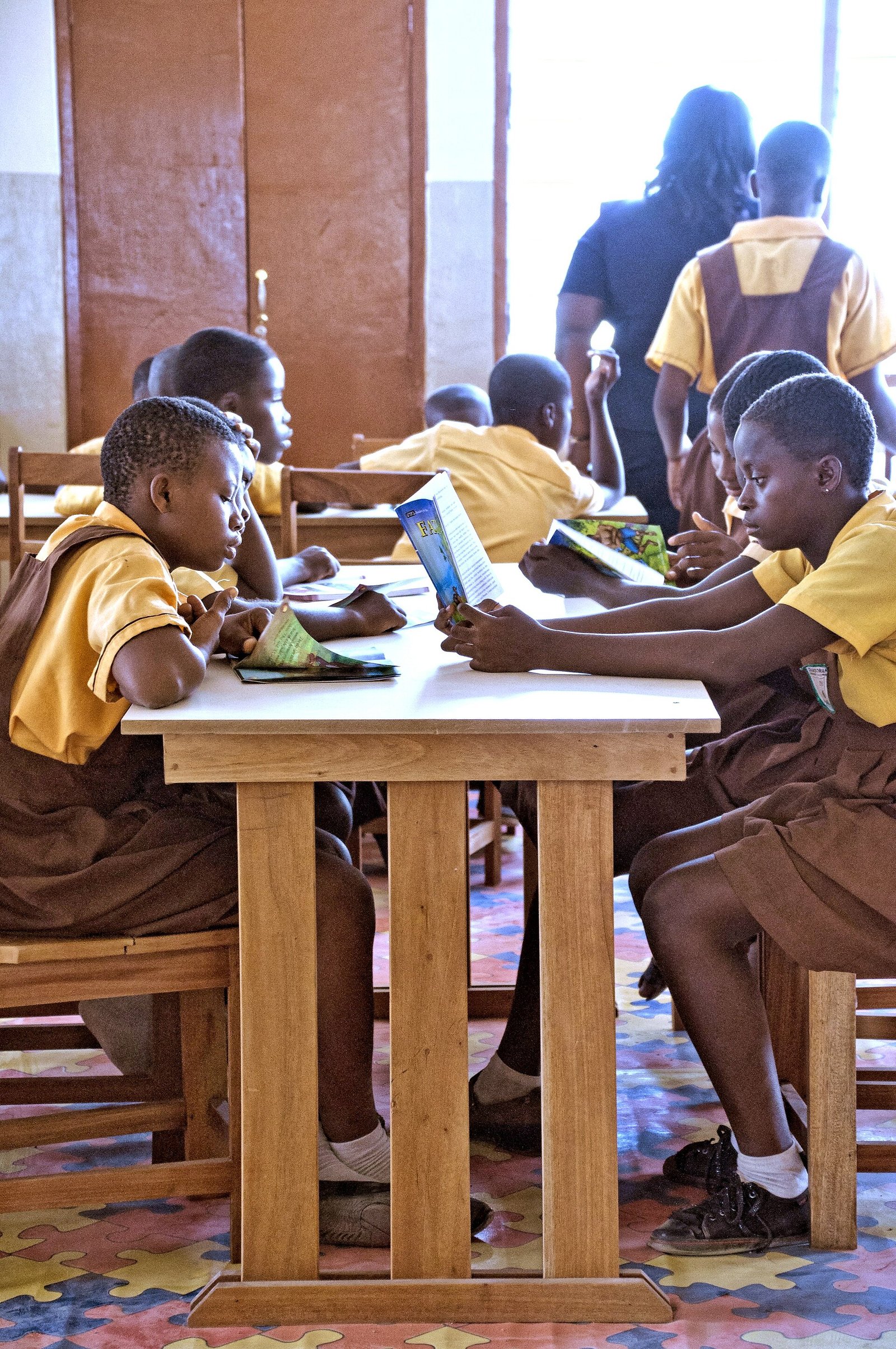
School fees in Ghana vary by age and level, but for many families living in poverty they remain a steep barrier. For children between the ages of five and twelve, the annual cost averages about one hundred dollars. Older students, from thirteen to eighteen, typically require about two hundred dollars per year. These figures cover basic tuition and necessary supplies, yet they represent a significant portion of a household's limited income.
A monthly gift from a supporter in Switzerland can make a real difference in a child's education. Because the yearly amounts are modest, a single monthly contribution can cover one full school year for a younger child or roughly half a year for an older student. When two donors combine their monthly support, they can fully fund a child's education through the critical secondary years. This steady stream of giving ensures that a child does not have to drop out simply because a parent cannot afford the next term's fees.
We see this every week at our outreach sites. A small, consistent donation buys a uniform, pays a exam fee, or provides a set of textbooks. It keeps a girl in class and a boy on the path to graduation. For a widowed mother struggling to feed and clothe her children, knowing that a monthly gift from abroad can cover school costs brings a measure of relief. It means her child can focus on learning rather than worrying about the next payment deadline.
Remittances and the diaspora effect in Ghana
World Bank data from 2024 shows that Ghana received four point six billion US dollars in remittances, placing it fifth on the African continent. An estimated three to four million Ghanaians live abroad, contributing to this flow of support. Across the wider continent, about forty point four million Africans were working abroad as of 2022, highlighting the scale of movement and the connections that remain. These funds often reach families who rely on them for daily needs, school fees and healthcare costs. For many households, the money sent home represents a vital lifeline that bridges the gap between opportunity abroad and necessity at home. The diaspora effect is not just about dollars and cents; it sustains communities and keeps children in school when local wages fall short. In the families we assist each week, the involvement of a relative overseas often determines whether a student continues their education or is forced to leave. The pattern reflects a broader African reality, where migration and remittance form a complex economic web.
How to read a donation receipt the Swiss way
When you donate to an international organization, the receipt you receive tells a story about transparency and trust. A proper receipt must clearly show the organization name, the donation amount, the date of the gift, and a statement confirming that no goods or services were provided in return. These elements are not just bureaucratic formalities; they are essential for your own tax records and for ensuring the charity meets basic accounting standards. In Ghana, where many families rely on the generosity of distant supporters, receiving a prompt and clear receipt can make a significant difference in planning. Our organization, Hope for Ghana Kids, makes it a priority to send receipts within 48 hours of any gift, recognizing that donors deserve quick confirmation that their contribution has been recorded and is being put to use. This quick turnaround serves as a trust signal, showing that we value the donor's time and their commitment to our cause. We also ensure that every receipt includes the necessary declaration that the donor received nothing of value in exchange for their gift, which is a key requirement for tax deductibility in many jurisdictions. Beyond the basic details, we encourage donors to look for consistency in how receipts are formatted and issued over time. If you have ever wondered whether your donation is being tracked properly, a well-structured receipt is the first place to look. Users can conveniently request our documents directly through WhatsApp to verify our financial practices. The monthly reports provided to recurring donors offer a comprehensive overview of how contributions are transforming the lives of the children supported. Anyone can also arrange a field visit or a live call during a distribution to see the impact firsthand. We are Muslim and Christian together, serving every child with dignity and respect, and we welcome questions about our methods and materials.
From receipt to real impact the Swiss donor can track
When a Swiss supporter makes a donation, the first tangible sign arrives as a receipt within 48 hours. This prompt confirmation provides immediate reassurance that the gift has been recorded. Following the acknowledgment, the organization shares monthly updates for recurring donors, summarizing how funds have been allocated across feeding programs, school fees, and shelter repairs. For those who prefer a more direct line, documents are available upon request via WhatsApp, and arrangements can be made to visit a distribution site or join a live call while food or supplies are being handed out. The staff team includes both Muslim and Christian members, and this blended approach ensures that every child receives care regardless of religious background. Photos and short videos document each distribution, offering visual proof of the impact generated by each contribution.
The organization believes that transparency is not a one-time checkbox but an ongoing practice built into every stage of the giving cycle. From the moment a receipt is sent to the final update on a child's progress, the goal is to keep supporters informed and connected. This commitment means that questions are always welcome, and documentation is always accessible to those who seek it.
Donate today and see how your generosity becomes real support for children and families in need.

FAQ
How much of my donation can I deduct from Swiss taxes?
Swiss tax law allows donors to deduct contributions to ZEWO-registered organizations from their taxable income. The exact percentage depends on individual tax circumstances and canton regulations. We recommend consulting a tax advisor to understand the specific deduction limits applicable to your situation.
What does the ZEWO label actually guarantee for African projects?
The ZEWO label is a quality mark for Swiss development and humanitarian aid organizations. It certifies that the organization uses donations efficiently, transparently, and for the intended purposes. For projects in Africa, this means regular financial audits, strict adherence to budget plans, and measurable outcomes that donors can trust.
Can I get a receipt for a mobile money gift to a Ghanaian NGO?
Yes, receipts are provided for all donation methods, including mobile money. We send receipts within 48 hours of receiving the gift. The receipt includes the donation amount, date, and a unique reference number for your records and tax purposes.
How often will I receive updates if I give monthly?
Monthly donors receive a detailed update report each month. These reports include a summary of activities, impact stories from the children we serve, and financial transparency. This regular communication keeps supporters connected to the real-time difference their recurring gift makes.
What five signals should I look for when choosing an African charity?
First, look for the ZEWO label, which signals Swiss-standard accountability and transparency. Verify that the organization provides donation receipts without unnecessary delay. Additionally, verify that they deliver consistent impact updates, for example monthly reports for donors who give on a recurring basis. Fourth, verify whether they document distributions with photos and videos. Finally, confirm if they welcome field visits or live calls during distributions, offering direct insight into how funds are used.