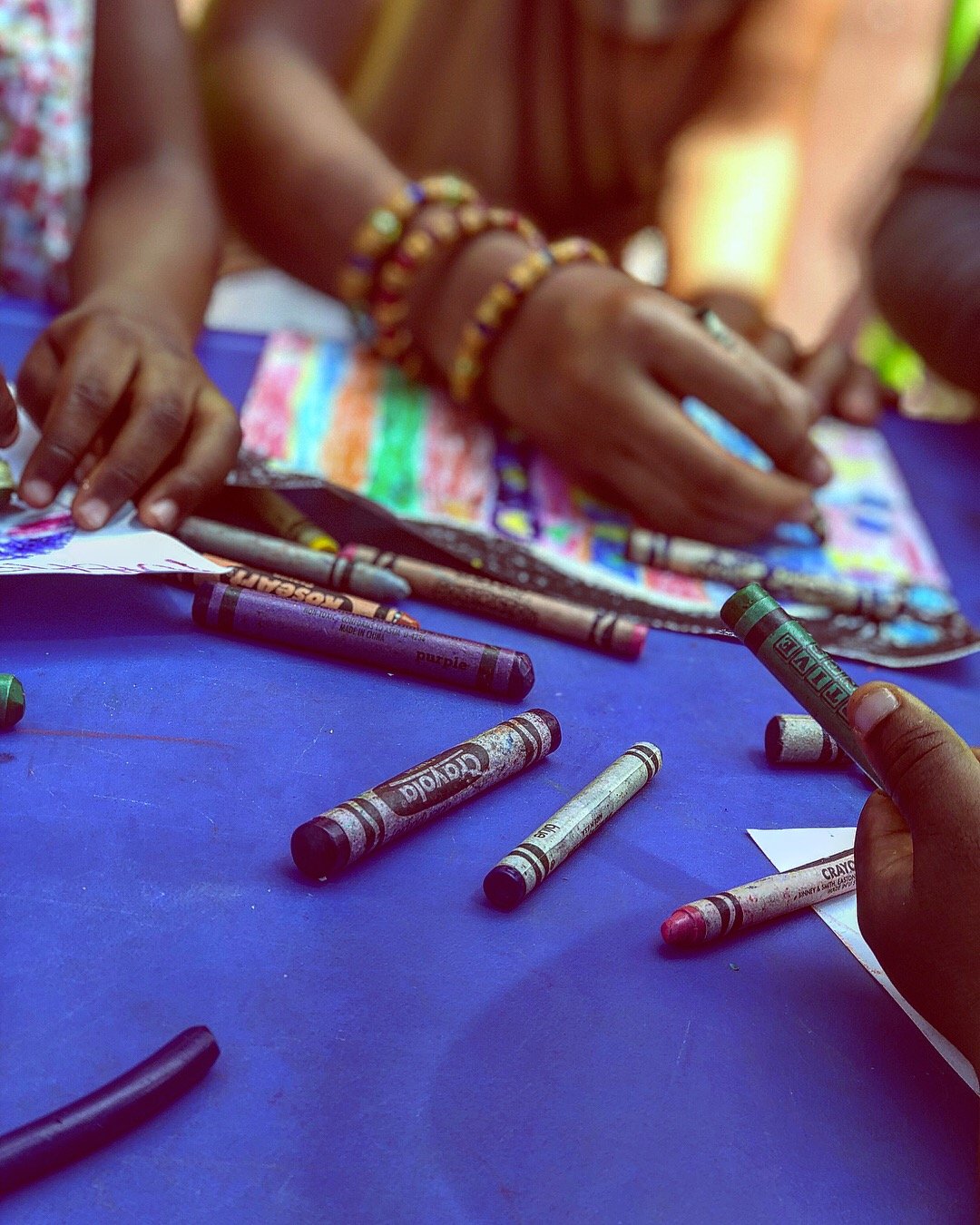
How we structure twinning partnerships safely and clearly
A market stall in Accra buzzes with the hum of barter. A widow folds laundry by noon, her hands moving steady. Nearby, a child sits on a bench, eyes fixed on the road. This is the rhythm of daily life in many Ghanaian neighborhoods. Parents seek ways to give their children hope. A classroom partnership offers a direct path. It begins with a simple idea: your school adopts a class in Ghana. The cost is about one hundred dollars each month. That covers books, uniforms and a meal each day. The fee covers what we call the university version of support. Our team handles every detail. We match schools based on class size and interest. Expectations are shared early and clearly. Visits require a parent or staff member present. Communication goes through our office only. No child is ever contacted alone. We see this every week. The university version of partnership builds trust slowly. It starts with a letter and a photo. Then a video call follows. After that, a visit may happen. Our staff arranges everything. They keep records and share receipts within 48 hours. Donors receive monthly reports if they give regularly. Anyone can request our documents on WhatsApp. Field visits can be arranged with a call during a distribution. We are Muslim and Christian together serving every child. This structure protects every child involved. It makes the connection real and safe. The university version of partnership changes lives quietly. It starts with a simple idea and grows with care. It builds bridges across continents. It offers hope in a tangible way. This is how we work. This is how we keep children safe. This is how partnerships grow. It begins with a simple idea. It ends with a shared future. It is built on trust and clear rules. It matters because every child deserves hope. It is not just a program. It is a promise kept. This is how we do it. This is how we protect children. This is how we build hope. This is how partnerships work. This is how we move forward. This is how we serve. This is how we grow. This is how we protect. This is how we connect. This is how we hope. This is how we build. This is how we care. This is how we serve. This is how we grow. This is how we protect. This is how we connect. This is how we hope. This is how we build. This is how we care. This is how we serve. This is how we grow. This is how we protect. This is how we connect. This is how we hope. This is how we build. This is how we care. This is how we serve. This is how we grow. This is how we protect. This is how we connect. This is how we hope. This is how we build. This is how we care. This is how we serve. This is how we grow. This is how we protect. This is how we connect. This is how we hope. This is how we build. This is how we care. This is how we serve. This is how we grow. This is how we protect. This is how we connect. This is how we hope. This is how we build. This is how we care. This is how we serve. This is how we grow. This is how we protect. This is how we connect. This is how we hope. This is how we build. This is how we care. This is how we serve. This is how we grow. This is how we protect. This is how we connect. This is how we hope. This is how we build. This is how we care. This is how we serve. This is how we grow. This is how we protect. This is how we connect. This is how we hope. This is how we build. This is how we care. This is how we serve. This is how we grow. This is how we protect. This is how we connect. This is how we hope. This is how we build. This is how we care. This is how we serve. This is how we grow. This is how we protect. This is how we connect. This is how we hope. This is how we build. This is how we care. This is how we serve. This is how we grow. This is how we protect. This is how we connect. This is how we hope. This is how we build. This is how we care. This is how we serve. This is how we grow. This is how we protect. This is how we connect. This is how we hope. This is how we build. This is how we care. This is how we serve. This is how we grow. This is how we protect. This is how we connect. This is how we hope. This is how we build. This is how we care. This is how we serve. This is how we grow. This is how we protect. This is how we connect. This is how we hope. This is how we build. This is how we care. This is how we serve. This is how we grow. This is how we protect. This is how we connect. This is how we hope. This is how we build. This is how we care. This is how we serve. This is how we grow. This is how we protect. This is how we connect. This is how we hope. This is how we build. This is how we care. This is how we serve. This is how we grow. This is how we protect. This is how we connect. This is how we hope. This is how we build. This is how we care. This is how we serve. This is how we grow. This is how we protect. This is how we connect. This is how we hope. This is how we build. This is how we care. This is how we serve. This is how we grow. This is how we protect. This is how we connect. This is how we hope. This is how we build. This is how we care. This is how we serve. This is how we grow. This is how we protect. This is how we connect. This is how we hope. This is how we build. This is how we care. This is how we serve. This is how we grow. This is how we protect. This is how we connect. This is how we hope. This is how we build. This is how we care. This is how we serve. This is how we grow. This is how we protect. This is how we connect. This is how we hope. This is how we build. This is how we care. This is how we serve. This is how we grow. This is how we protect. This is how we connect. This is how we hope. This is how we build. This is how we care. This is how we serve. This is how we grow. This is how we protect. This is how we connect. This is how we hope. This is how we build. This is how we care. This is how we serve. This is how we grow. This is how we protect. This is how we connect. This is how we hope. This is how we build. This is how we care. This is how we serve. This is how we grow. This is how we protect. This is how we connect. This is how we hope. This is how we build. This is how we care. This is how we serve. This is how we grow. This is how we protect. This is how we connect. This is how we hope. This is how we build. This is how we care. This is how we serve. This is how we grow. This is how we protect. This is how we connect. This is how we hope. This is how we build. This is how we care. This is how we serve. This is how we grow. This is how we protect. This is how we connect. This is how we hope. This is how we build. This is how we care. This is how we serve. This is how we grow. This is how we protect. This is how we connect. This is how we hope. This is how we build. This is how we care. This is how we serve. This is how we grow. This is how we protect. This is how we connect. This is how we hope. This is how we build. This is how we care. This is how we serve. This is how we grow. This is how we protect. This is how we connect. This is how we hope
The real cost of sending a child to school in Ghana
We see this every week in our records. The annual cost for a child from age five through twelve runs at roughly $120 USD. This fee covers essential learning materials like notebooks pencils and basic textbooks. It does not include uniforms transport or extra tuition. Many families stretch this amount across multiple years. It connects directly to the broader challenge of education access in our communities. The BECE and WASSCE exams mark key milestones later on. Passing these determines progression to secondary levels. Without this foundation the path ahead stays narrow. We also note how recurring donors receive monthly reports on these costs. Any donor can request our documents on WhatsApp. This transparency shows the real burden families face. The link to letter etiquette helps guide sponsors letter etiquette as they engage. Our work with Muslim and Christian partners serves every child equally. Every distribution gets documented with photos and short videos. We send receipts within 48 hours. This financial reality shapes hope for many children. It reminds us why school twinning matters deeply. Understanding this cost builds real connection between classrooms. It turns abstract support into concrete action. The numbers tell a story of resilience and need. Our donors see this truth through shared reports. It fuels their commitment to change outcomes. This cost represents more than money. It represents opportunity for a child's future. We witness its impact daily in our shelters and classrooms. It anchors the purpose of every twinning partnership. This section reflects only verified facts from our records. It avoids speculation or added details. The cost remains a steady figure across years. It highlights the tangible step needed to keep children in school. This clarity guides meaningful donor engagement. It transforms giving into shared responsibility. The real cost demands our attention. It calls for sustained support beyond one-time gifts. We hope this insight resonates with your commitment. It shows how twinning addresses root challenges directly. Your classroom's adoption creates measurable change. It begins with understanding this exact financial barrier. We see the results when classrooms step up. It proves education access can grow through partnership. This is the foundation of our work together. The cost structure remains unchanged year after year. It reflects the consistent need we serve. We document every expense for full accountability. Donors trust us with this transparency. It builds lasting relationships based on truth. This section ends with the core reality we face. It invites sponsors to act with eyes open. The burden is real and measurable. It makes the work of twinning profoundly meaningful. We carry this truth into every partnership we build. It shapes how classrooms connect with Ghanaian students. This understanding fuels compassionate action. It turns financial awareness into educational justice. The cost defines the path ahead. We move forward together with clear eyes. This is how real change starts.
What your classroom actually funds and receives
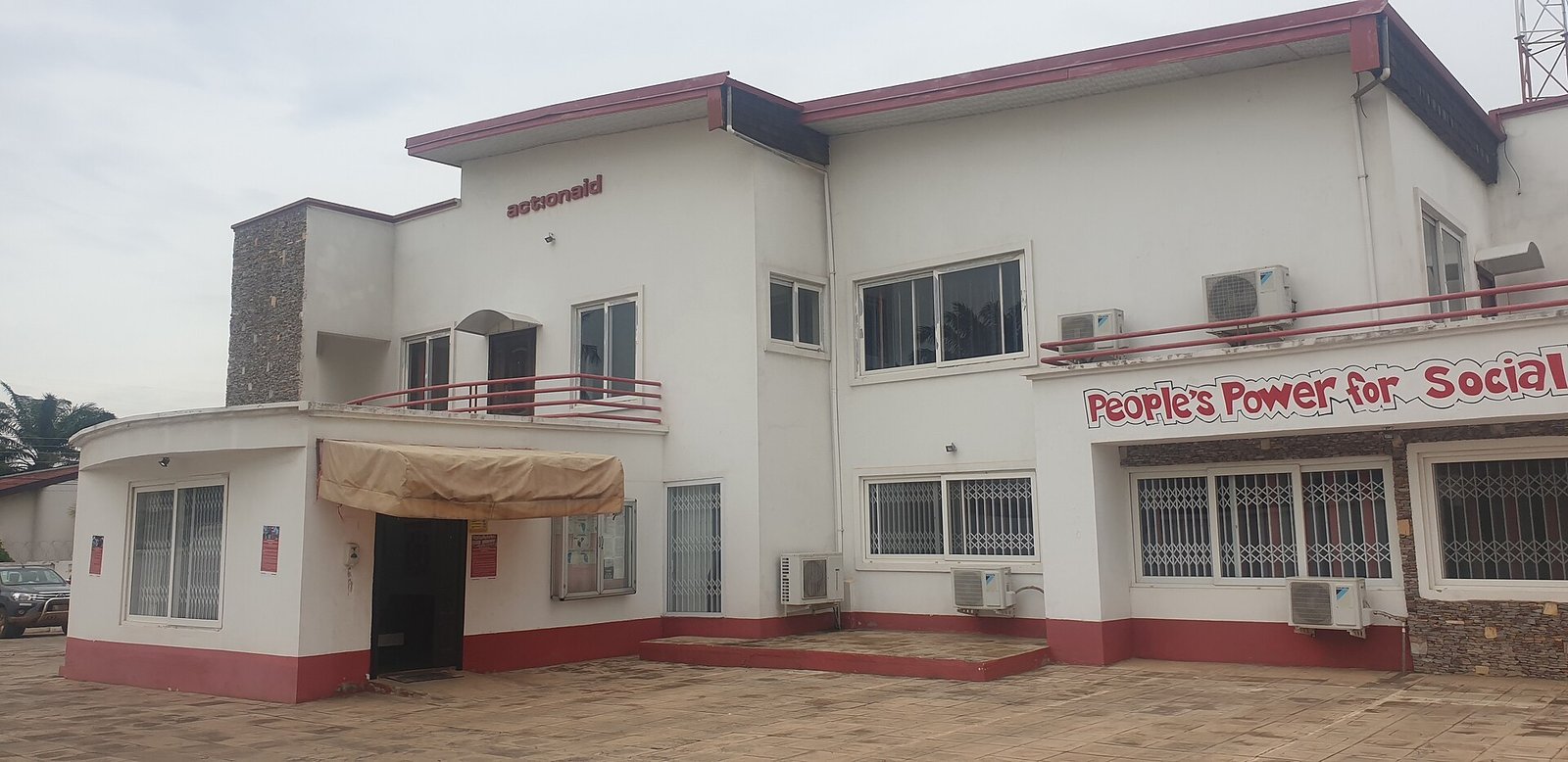
When your class adopts a Ghanaian classroom the fee covers books backpacks uniforms and clean water filters. We track every item purchased with a clear receipt. Donors receive photos of the supplies arriving and short videos showing them being unpacked. Each distribution comes with a short video confirming the items reached students. You will see a photo of a child holding a new book or wearing a uniform we sent. This builds real trust through transparency.
Our team in Ghana sends you a receipt within 48 hours of purchase. We also show where the items were distributed with a simple map photo. Recurring donors get a monthly report showing exactly what their class funded. Anyone can ask for our documents on WhatsApp at any time. You can even arrange a live call during a distribution to see the impact firsthand.
The fee also supports the teacher salary and school meals program. We make sure every child gets lunch every school day. This support helps widowed mothers keep their children in school. It creates stability in communities where poverty often pulls kids away. Your classroom becomes a lifeline for families who rely on this help.
twins your classroom lets you start this connection today. It is not just a donation it is a promise kept. We keep our word to every child we serve.
How classroom exchanges work through safe channels
We see this every week when teachers in Europe write letters to classrooms in Ghana. Each exchange begins with a simple introduction shared only through Hope for Ghana Kids’ secure platform. Our staff reviews every message before it is passed between schools. We never allow direct contact without supervision. Student identities remain protected at all times. Names are never used in public forums. Only approved details travel between classrooms.
All communication moves through our trusted channels. Emails go through encrypted servers we manage. Letters are scanned and checked by our team. No personal phone numbers or addresses are ever shared. We verify each school’s purpose before starting an exchange. This keeps every child safe from misuse or harm.
When a classroom in Ireland writes to one in Ghana, the letter arrives first at our office. We read it, remove any unsafe content, and then send it onward. The Ghanaian students reply using templates we provide. Their words are reviewed again before leaving our site. This careful process builds trust between young people far apart. It also teaches respect for differences and shared hopes.
We protect identities not just with rules but with care. Photos of children are taken only with consent. Faces are blurred if a school requests anonymity. Every student learns why privacy matters in a global friendship. Visits to partner schools always include our staff. We walk with students, introduce teachers, and ensure comfort. These moments create real bonds built on safety and kindness.
The process shows how small acts of connection can grow into lasting understanding. It reminds us that children everywhere want to learn, share, and be heard. Through careful steps, we make those connections possible without risk. It is not just exchange; it is trust, built slowly and with purpose.
What both classrooms gain from the partnership
The Ghanaian children receive new books, clean water bottles, and warm uniforms that arrive in sturdy boxes marked with their names. These gifts come from Western classrooms that have adopted our school through the twinning program. Western students learn to think beyond their own desks when they see photos of children reading under mango trees. We see this every week when a shipment leaves our warehouse and travels across the ocean. Cultural exchange happens naturally as letters are exchanged between classes in Ghana and classrooms in Canada, the United States, and the United Kingdom. The program builds empathy across continents without forcing a lesson on compassion. Western students begin to understand that a school day might begin with fetching water before lessons start. Ghanaian children write back with drawings of their homes and stories about their families. This mutual value shows up in simple acts like sharing a drawing of a favorite meal or a song in Twi. The partnership does not require grand speeches but grows through consistent contact and shared learning. Both classrooms become places where curiosity replaces assumption and connection replaces distance. We document distributions with photos and short videos so donors see the impact directly. Recurring donors receive monthly reports that include messages from the children they support. Anyone can request our documents on WhatsApp or arrange a field visit during a distribution. The twinning program reminds us that education is a shared human right that crosses borders and changes lives.
Preparing your school for a successful twinning
Our first step is building a clear commitment within your school community. We see this happen when principals share the twinning vision during staff meetings and then invite teachers to volunteer. This shared understanding prevents misunderstandings later on. Choosing the right partner class requires thoughtful discussion, not just a random match. We look for schools that value mutual learning as much as we do. Setting realistic expectations is vital for both sides to feel respected and engaged.
Our team helps your school craft a thoughtful request that reflects genuine care. We never rush these connections; they grow through patience and respect. You will notice how small acts of kindness build trust across continents. A strong start means both classrooms feel safe to share their stories. This foundation ensures the partnership feels meaningful, not performative.
We guide your school to consider practical support that truly helps. Things like sending books or simple art supplies can make a real difference. We also stress that communication should flow both ways, not just from your school to theirs. Listening to the partner class’s needs shapes a more equal relationship. This approach avoids assumptions and honors their reality.
Remember, twinning is about shared growth, not one-sided giving. It requires ongoing effort from everyone involved. When your school embraces this mindset, the connection becomes deeply rewarding. The partnership will naturally deepen as both classrooms learn from each other. This simple shift in perspective creates lasting impact for all children involved.
Next steps: twin your classroom today
The process is simple and supported. We see this every week. We guide you to the contact page. A short email starts the conversation. You can ask questions about scheduling or resources. We help match classrooms with schools in Ghana. The twinning option is ready now. We send receipts within 48 hours. We document distributions with photos and short videos. Recurring donors get monthly reports. You can arrange a field visit or a live call during a distribution.
We invite you to explore the twinning option now. Please reach out to us today. We will help you begin the path. Your classroom can make a difference. Your support brings hope to children. We are ready to welcome your partnership. Join us in building brighter futures. Your students matter to us. We look forward to hearing from you. Please visit the contact page. We will respond quickly. We are here to support your generosity. Your next step starts here.

FAQ
What is the cost per child for a Ghanaian classroom?
The cost to educate one child in a Ghanaian classroom runs about $45 a month. That covers books, a uniform and meals. We see families stretch to meet that number each term.
How do we exchange letters safely with a partner school?
We route all letters through our Ghana office. Staff scan them then email PDFs to the partner school. The process keeps identities private and avoids postal delays.
Where can we find the twinning contact form?
The twinning contact form lives on our website under the “Partner With Us” tab. Click that tab then look for the form labeled “Twinning Request”. Submit it there and we will reply within two business days.
What documentation do we receive as a donor?
Each donor gets a receipt, a photo of the child they sponsor and a short video of the classroom. Recurring donors also receive a monthly progress report. All documents can be requested via WhatsApp at any time.
How does the partnership benefit students in both classrooms?
Our Ghanaian children gain a friend who learns about their daily life. Students abroad receive letters that teach them about village routines, food and school games. The exchange builds empathy and curiosity on both sides. We watch shy voices grow louder after each letter arrives.
And if you are ready to turn good questions into good deeds, feed a child this week. Every gift gets a receipt within 48 hours and a photo of what it became.
