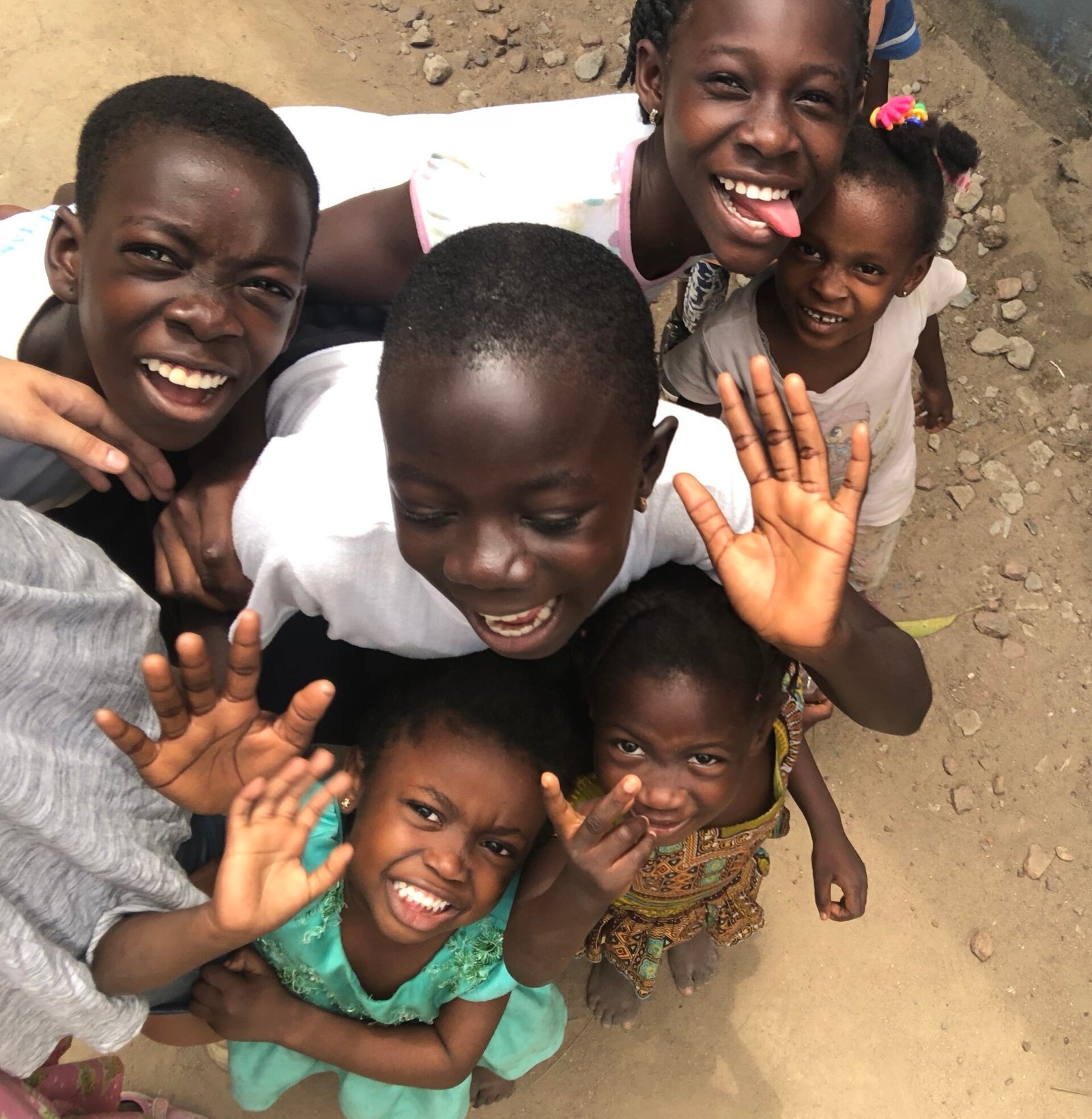
The reality of paper orphans in West Africa
Statistic: According to UNICEF and the Department of Social Welfare in Ghana, roughly 80 percent of the about 4,000 children in residential homes have at least one living parent. This number is startling for many donors. You see a photo of a sad child and want to help immediately. But the reality of residential care is complex. Poverty often drives parents to place children in homes. This creates a system where many children are labeled as orphans when they are not.
We call these children paper orphans. They are not missing parents because of death. Instead, they are missing the resources to survive. Reuters and VOA have reported on this trend. It is a heartbreaking cycle. A mother may not be able to afford school fees or food. She believes a residential home is the only way her child will eat.
This is not usually driven by villainy. It is driven by desperation. The New Humanitarian reports that this is a widespread issue across West Africa. Parents do not want to give up their children. They simply cannot see a way forward. Some homes take advantage of this. They promise education and health care to attract donors from abroad.
When a home presents a child as a total orphan to get more funding, it is a scam. It separates families who love each other. We see this every week in the sector. True support should focus on keeping families together whenever possible. It is better to support a widowed mother so she can keep her children at home.
You can protect your donations by using our full verification guide to check how a home sources its children. Honest organizations are open about the family status of their residents. They do not hide the truth to pull at your heartstrings. We believe in transparency because it protects the children. Real help should empower the family unit rather than replace it.
Six red flags of a donation scam
The first warning sign is often a sense of extreme urgency. Scammers use pressure to stop you from thinking clearly. They might tell you a child will be evicted tomorrow or that a medical emergency requires money within the hour. Genuine needs exist, but honest organizations usually have a plan for stability. We see this every week in the sector. Pressure is a tool for manipulation.
Secrecy is the second red flag. If a person tells you not to tell others about the donation or asks you to keep the arrangement private, be careful. Transparency is the only way to build trust. You should be able to ask questions without feeling guilty. Legitimate work happens in the open.
The third sign is the request for funds via personal bank accounts. A real organization does not ask you to send money to a private individual's name. This makes it impossible to track how the money is spent. We believe in accountability. This is why we fund mothers instead of building orphanage walls to keep children in families.
Lack of registration is a major concern. Every legal charity in Ghana must be registered with the government. If an organization cannot provide proof of their legal status or refuses to share their registration details, they are likely a scam. You have the right to see these documents. Anyone can request our documents on WhatsApp to see how we operate.
A refusal to conduct video calls or allow visits is the fifth red flag. Scammers often use stolen photos of children from the internet. They cannot show you the children in real time because the children do not exist in their care. They will make excuses about poor internet or safety. In contrast, anyone can arrange a field visit or a live call during a distribution with us.
The final sign is a lack of documentation. Be wary of those who promise a lot but provide no proof of impact. Real work leaves a trail of evidence. We send receipts within 48 hours and document distributions with photos and short videos. Recurring donors get monthly reports to see the results of their kindness. A scammer will give you vague promises instead of clear evidence.

Why the NPOS directory matters
When you decide to give, you want your money to reach a child in need. Many people trust a nice website or a sad photo. We see this every week in our line of work. Unfortunately, some people set up fake charities to exploit your kindness. This is where the government steps in to protect donors and children.
The Ministry of Gender handles the registration and oversight of non-profit organizations in Ghana. They maintain a public database that allows anyone to verify if an organization is officially recognized. This system removes the guesswork from your giving. You no longer have to rely on a stranger's word.
You can find this information at npos.mogcsp.gov.gh. This is the official NPOS directory. If an organization claims to be a registered NGO but does not appear in this public directory, you should be very cautious. A legitimate organization will have no problem being found in this system. It is a simple check that takes only a few minutes.
The directory acts as a filter. It separates the genuine shelters from the scams. When an NGO is registered, it means they have submitted the required paperwork to the Ministry of Gender. They are now part of a system that expects a level of accountability. It is the first line of defense against fraud.
We encourage every supporter to use this tool. It provides a layer of security for your donations. You can search for the name of the charity to see if it exists in the government records. This transparency helps ensure that funds actually go toward feeding, schooling, and sheltering children.
Verification is a shared responsibility. The government provides the list, but the donor must check it. Using the NPOS directory allows you to move forward with confidence. It ensures your generosity supports real children and their widowed mothers rather than a scammer.
What a healthy donation request looks like
Honest requests for help are usually grounded in specifics rather than emotional pleas. A scammer will often use vague language to describe their needs. They might ask for money for general welfare or unnamed children. In contrast, a transparent organization tells you exactly where the money goes. They name the schools the children attend. They explain which specific needs are urgent, such as textbooks or uniforms.
We see this every week in the sector. Real organizations do not hide behind generic terms. They are open about their methods and their goals. They understand that trust is built through evidence. For example, we send receipts within 48 hours of a transaction. This simple act proves that the funds reached their intended destination.
Transparency also means being open to scrutiny. A healthy request encourages you to ask questions. It does not pressure you to send money immediately through untraceable channels. Honest groups welcome oversight. At our organization, anyone can request our documents on WhatsApp. We also allow donors to arrange a field visit or a live call during a distribution. This allows supporters to see the impact of their gifts in real time.
The nature of childcare in Ghana is changing. UNICEF Ghana focuses on family based alternatives to institutional care. This means that a healthy request might not always be for a building or a bed. It might be for support that keeps a child with their biological family or a kinship caregiver. Supporting widowed mothers so they can keep their children is a sustainable approach.
Genuine organizations also show a commitment to the community. They do not operate in isolation. We are Muslim and Christian together serving every child. This inclusivity is a sign of a healthy, community focused mission. It shows that the goal is the welfare of the child, not the profit of the operator.
Reliability is shown through consistency. Recurring donors get monthly reports to track progress. This prevents the donor from feeling like their money disappeared into a void. A legitimate ask is a partnership based on truth. It respects the donor by providing clear, documented proof of every action taken.
Our approach to absolute transparency
Trust is the only currency that matters when you are sending money across borders to help a child. We know that many donors feel anxious because they cannot see where their money goes. To remove this doubt, we make our financial process fast and visible. We send receipts within 48 hours of receiving a donation. This ensures you have an immediate record of your gift and know it reached us safely.
Visual proof is just as vital as a paper receipt. We document distributions with photos and short videos so you can see the food, school supplies, or clothing being handed over. These clips show the real impact of your kindness on the children and their widowed mothers. It is not enough to tell you that a child is in school. We want you to see the smile on their face when they hold a new notebook.
Communication remains open and direct at all times. Recurring donors get monthly reports that detail how their ongoing support is changing lives. If you have a specific question, anyone can request our documents on WhatsApp. This allows for a quick, human conversation rather than a formal email chain. We believe that accessibility prevents suspicion.
We also welcome direct oversight from our supporters. Anyone can arrange a field visit or a live call during a distribution. This means you can watch the work happen in real time through your phone screen. There are no closed doors or secret accounts in our operations. We operate with an open heart and an open book.
Our team is a reflection of the community we serve. We are Muslim and Christian together serving every child regardless of their background. This unity helps us reach the most vulnerable orphans and street children. We believe that honesty is the only way to sustain a mission of this scale. Clear records and open lines of communication keep our partnership strong and honest.
How we welcome your oversight
Trust is not something we expect you to give blindly. We believe the best way to prove our honesty is to let you see the work for yourself. If you are visiting Ghana, you are welcome to arrange a field visit to see our children and the mothers we support. We do not hide our operations behind closed doors. You can walk through our spaces and see the actual impact of your gifts.
For those who cannot travel, we offer other ways to verify our activities. You can arrange a live call with us during a distribution. This allows you to see the food and supplies reaching the children in real time. We want you to feel the connection between your generosity and the child receiving the help.
This unity ensures that no child is excluded based on their faith or background. We work side by side to provide shelter and schooling for those who have lost everything.
We keep our communication open and simple. Anyone can request our documents on WhatsApp if they have questions about how we operate. We do not believe in complex barriers between a donor and the truth. Transparency is the only way to protect the children from the scams mentioned earlier in this guide.
If you would like to learn more about our standards, please visit our transparency page. You can find more details there. [../about.html#transparency]

FAQ
How can I check if a Ghanaian orphanage is registered?
You should contact the Department of Social Welfare in Ghana. They maintain the official records of licensed care homes. It is best to verify the registration status directly with the government to ensure the facility meets national standards. This step protects the children and your contributions.
Why do children with parents live in orphanages?
Extreme poverty often forces parents to give up their children. Some mothers cannot afford food or school fees. We see this every week. These children are not always orphans but are placed in care because their families cannot survive. We support these widowed mothers to keep families together.
What should I do if a charity asks for money in a personal account?
Be very cautious when a charity requests funds via a personal bank account. Legitimate organizations typically use corporate accounts. You should ask for official registration documents or a formal invoice. If the request feels suspicious, it is safer to stop the transaction.
How do I know my donation actually reached the children?
We send receipts within 48 hours of receiving your gift. Our team documents distributions with photos and short videos to show the impact. Recurring donors receive monthly reports. You can also arrange a live call during a distribution or request our documents on WhatsApp.
And if you are ready to turn good questions into good deeds, feed a child this week. Every gift gets a receipt within 48 hours and a photo of what it became.
