The danger of vanity metrics in child welfare
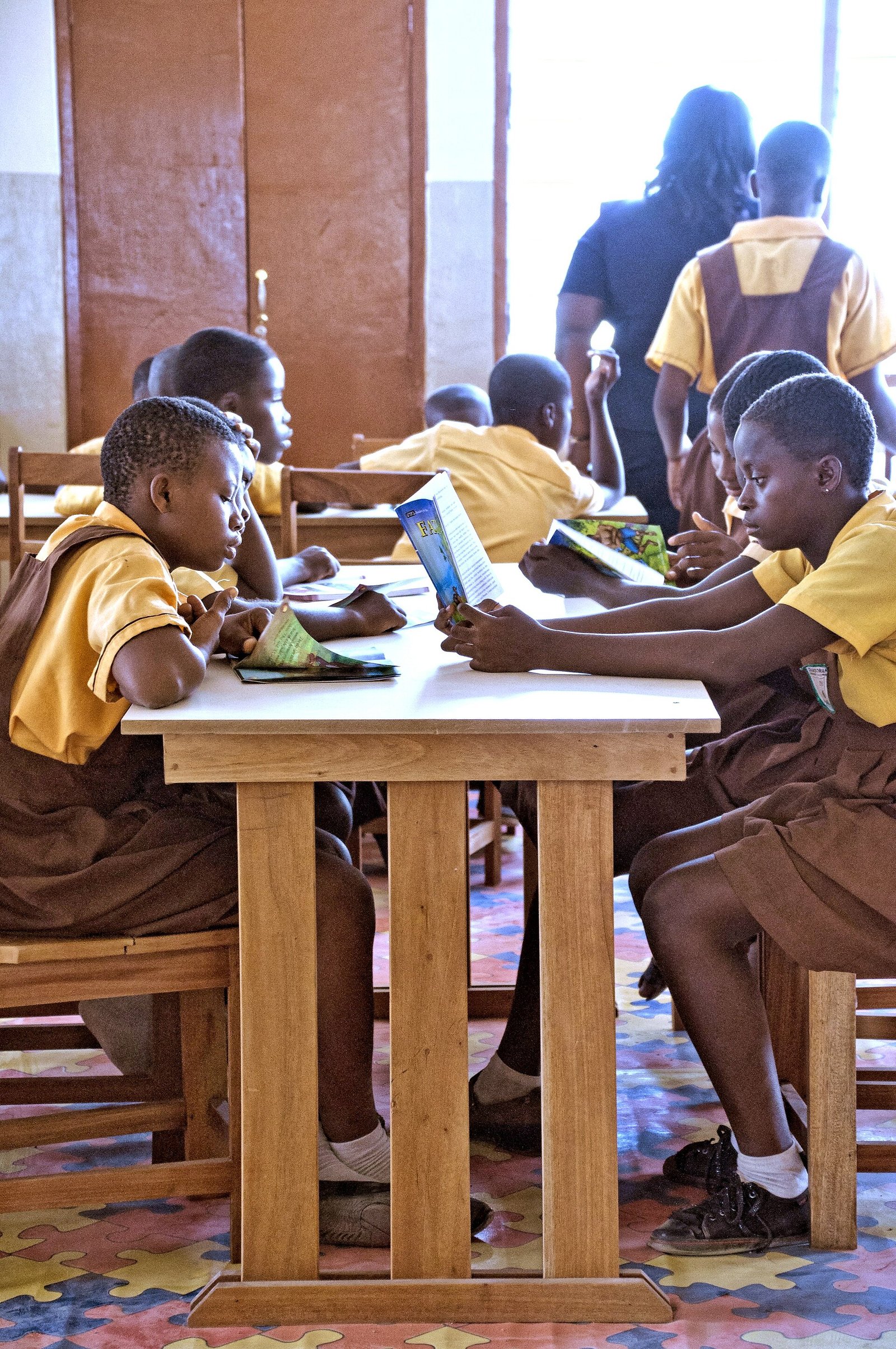
Statistic: 71 percent of street children are illiterate according to the Department of Social Welfare. This number is a stark reminder of why measurement matters. When a child leaves the street for a classroom, a vague report saying they were reached is useless. We need to know if they are actually sitting in a desk. We need to know if they stayed there. Honest data is the only way to break the cycle of poverty.
Many organizations fall into the trap of vanity metrics. These are numbers that look impressive on a slide deck but do not prove a child's life has changed. A common example is the reach metric. An NGO might report that they reached five hundred children with food parcels. This sounds successful. However, reach is a one time event. It does not tell us if the child is still hungry a week later or if the widowed mother has a sustainable way to feed her family.
We see this every week in the sector. There is a strong temptation to use easy metrics because they are simple to collect. An attendance list is the easiest tool. A staff member marks a check next to a name when a child enters a building. This creates an inflated number. It ignores the fact that the child might leave after an hour or stop coming entirely after two weeks. Vague attendance lists hide the reality of dropout rates.
Retention is where the real story lives. We care about how many children remain in school for the entire year. This is much harder to track than a simple headcount. It requires consistent follow up and honest reporting. If we only track who walked through the door, we are lying to ourselves and our supporters. This is why we are transparent about how we measure our progress.
True impact is found in the difference between a child who was reached and a child who is retained. One is a statistic. The other is a future. We believe in serving every child, regardless of whether they are Muslim or Christian, by focusing on these deeper truths. Counting heads is not the same as changing lives.
Why checkable data is the only honest metric
Good intentions do not feed a child. In the charity sector, it is easy to use words like impact or empowerment to describe progress. These terms feel good, but they are often vague. We believe that honesty in child welfare requires a shift from descriptive language to checkable data. If a donor cannot see the proof, the claim is merely a story.
We apply a strict rule of receipts within 48 hours for our spending. This ensures that every cedi is accounted for while the transaction is still fresh. Waiting weeks to reconcile books allows for errors or missing slips. By demanding immediate documentation, we remove the guesswork from our financial reporting. This level of discipline allows us to maintain trust with those who support our children.
Visual evidence replaces the need for long, flowery descriptions. We document distributions with photos and short videos to show exactly where the supplies go. A photo of a child receiving a school uniform is more honest than a sentence claiming we provided clothing. These files act as a digital trail of our daily work. You can see the actual faces and the actual items.
This approach relies on clear baselines to track real change. We do not guess if a child is doing better. We look at the data. We see this every week in our records. When we can point to a specific receipt or a specific video, the conversation changes from faith to fact.
Transparency should be an open door. Anyone can request our documents on WhatsApp to see how funds are used. We also allow anyone to arrange a field visit or a live call during a distribution. This means our supporters can witness the work in real time. We invite this scrutiny because it protects the children we serve.
Our commitment to truth is a shared effort. We are Muslim and Christian together serving every child. This unity is reflected in our openness. You can find more details on how we handle our accountability at verify-us.html. Checkable data ensures that the focus remains on the child and not the organization.

Measuring educational stability in Ghana
Consistency is the hardest thing to maintain for a child living on the street. We see this every week when children start school with enthusiasm but disappear after a few months because their families cannot afford the basics. To track if our support actually works, we focus on school terms completed rather than just enrollment numbers. A child might be registered for school, but that does not mean they are sitting in a classroom every day.
The financial barriers are often smaller than donors imagine, yet they are insurmountable for a widowed mother. According to Sedarvp Ghana, full school costs are about 100 dollars a year for children between the ages of 5 and 12. This amount covers the essential needs that keep a child in the system. When we track terms completed, we see exactly where the gaps occur. We can identify if a child drops out during a specific season or if a sudden family crisis interrupts their learning.
Tracking these metrics requires a disciplined approach to record keeping. We encourage our supporters to look at our data on request to see how we monitor these transitions. For smaller organizations, the challenge is often knowing where to start with these metrics. You can find more guidance on this in our guide to baseline measurement for small NGOs.
We believe that stability is the only way to break the cycle of poverty. A child who completes three terms in a row develops a different mindset than one who starts and stops every few months. This continuity builds confidence and social bonds with peers. It also allows teachers to actually track the academic progress of the student.
Our team works closely with schools to verify attendance. We do not rely on hearsay. We want to ensure that every dollar spent on those 100 dollar annual costs results in a child who stays in the classroom. This level of detail helps us adjust our support for the mothers we serve. When a child stays in school, the entire family moves toward a more secure future.
Tracking nutrition through verifiable receipts
Measuring the number of meals served is a primary KPI for our nutrition programs. It is a simple metric, but it tells us if children are actually eating. We cannot rely on estimates or general guesses when lives are at stake. Instead, we use signed lists to track every single distribution. Each child or caregiver signs for the food they receive. This creates a paper trail that matches our food purchases.
Receipts provide the hard evidence we need to prove that funds are spent on food. We keep every slip from the market and the wholesaler. When we compare these receipts to our distribution lists, the numbers must align. This process prevents waste and ensures that no child is skipped. We see this every week in our daily operations.
Transparency is the only way to build trust with people who support us from far away. We document distributions with photos and short videos to add a visual layer to the paperwork. These files show the food arriving and the children receiving it. We send receipts within 48 hours of a purchase. This speed shows our donors that we are accountable in real time.
Our recurring donors get monthly reports that summarize these figures. These reports turn daily lists into a clear picture of a child's nutritional progress over thirty days. It allows a supporter to see exactly how many plates of food their contribution provided. We believe that clarity is a right for every donor.
Anyone can request our documents on WhatsApp if they want more detail. We do not hide our books or our lists. If a supporter wants to see the process live, they can arrange a field visit or a live call during a distribution. This open door policy removes the mystery from our work. We are Muslim and Christian together serving every child, and our shared faith drives us to be honest in all our dealings. Accurate record keeping is how we honor that commitment.
Measuring livelihood success for widowed mothers
We often see a common mistake in child welfare reporting. Many organizations track the number of sewing machines or bags of flour they give to a mother. They count the kits distributed and call it a success. This is a measurement of activity, not an outcome. Giving a woman a tool does not mean she has a sustainable income. It only means she now owns a piece of equipment.
True success is found in the long term economic activity of the mother. We believe the only metric that matters is whether a business is still trading six months after the mother graduates from our support program. This window of time is critical. It proves that the business model works in the local market. It shows that the woman can manage her costs and generate a profit.
A mother who can sustain her business for half a year is far more likely to keep her children in school. She no longer relies on a one time gift. She has a reliable way to buy food and pay for uniforms. We focus our energy on this specific milestone. It tells us if the training provided was actually useful. It shows if the initial capital was spent wisely.
We avoid the trap of short term numbers. A high number of kits distributed can look impressive on a slide. However, it tells us nothing about the hunger levels of the children in that home. If the business fails after two months, the kit was a waste of resources. We prefer to track the survival rate of these small enterprises.
This approach requires more patience from the staff. We must follow up with the women long after the initial celebration. We check if the shop is still open. We ask if they are making sales. This rigor ensures that our support leads to real independence. When a widowed mother earns her own living, the stability of the home changes completely. This is the only way to ensure the children remain sheltered and fed.
Building a transparency framework for funders
Trust is the foundation of everything we do. We know that people who give their hard earned money want to know exactly where it goes. To ensure this, we maintain a strict commitment where 90 cents of every dollar goes directly to the children and mothers we serve. This means the vast majority of your support reaches the street children and widowed mothers who need it most. We do not believe in hiding behind complex spreadsheets or vague summaries.
Our approach to openness is practical and immediate. We send receipts within 48 hours of receiving a gift. We also document our distributions with photos and short videos so you can see the food and school supplies reaching the kids. For those who support us on a regular basis, recurring donors get monthly reports. These updates keep our community connected to the actual lives being changed.
We believe that true transparency requires an open door. Anyone can arrange a field visit or a live call during a distribution. Seeing the work in person removes all doubt. We also make our internal records accessible. Anyone can request our documents on WhatsApp to see how we manage our resources. This direct line of communication ensures we stay accountable to those who make our work possible.
This level of openness is how we maintain our integrity. We are Muslim and Christian together serving every child, regardless of their background. This unity extends to how we share our progress. If you want to see the specific metrics we track, you can read more at ../blog/how-we-measure-impact.html. We believe that when funders have total visibility, they can give with more confidence and peace of mind.
If you would like to learn more about how we handle your gifts, please visit our transparency page. We are happy to answer any questions you have at ../about.html#transparency.

FAQ
What is the difference between output and outcome KPIs?
Output KPIs measure the direct activities we complete. These are numbers like the amount of food distributed or the number of children in school. Outcome KPIs track the actual change in a child's life. We look for improvements in health or grades. Outputs show what we did. Outcomes show why it mattered.
How can a small NGO verify child attendance accurately?
We use simple but consistent tracking methods to ensure children are present. This involves daily registers and direct verification. We also document distributions with photos and short videos to provide proof. These visual records help us confirm that the support reaches the right children. It keeps our records honest.
Why are receipts better than summary reports for donors?
Receipts provide immediate and specific proof of a transaction. They show exactly where money went. Summary reports are helpful but can feel general. We send receipts within 48 hours to maintain this transparency. This practice builds trust because donors see the direct impact of their gift.
Which KPIs are most effective for street children programs?
The best KPIs focus on stability and safety. We track how many children move from the streets into our shelter. We also measure school enrollment and nutrition levels. These metrics tell us if a child is becoming secure. Success is seen when a child no longer needs to beg.
And if you are ready to turn good questions into good deeds, feed a child this week. Every gift gets a receipt within 48 hours and a photo of what it became.
