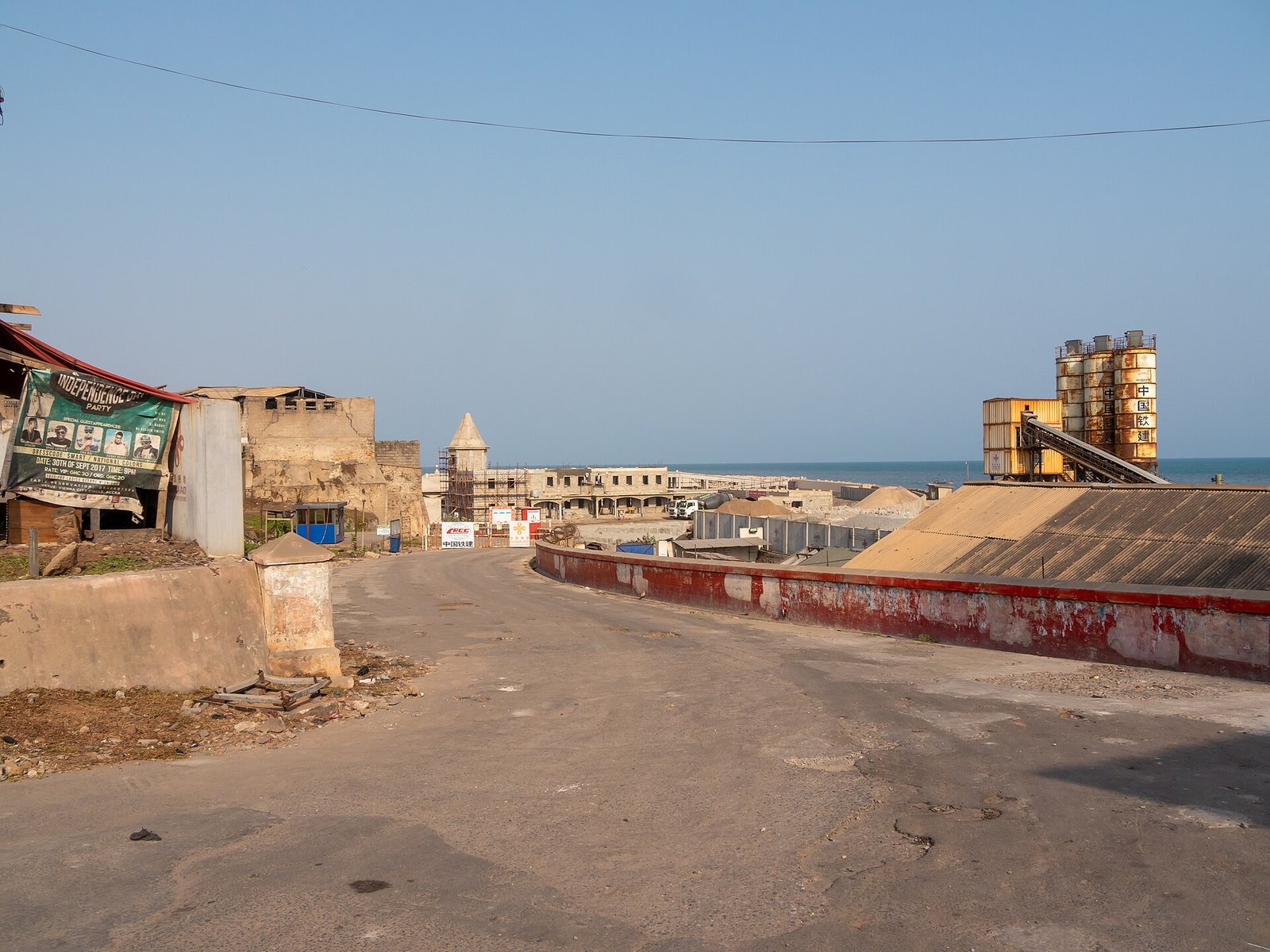
Fishing families hold the sea's mood in their bones
A child pulls a net on the damp shore before dawn the sea breathes heavy and the sky is grey a mother folds her child's thin shirt for school she knows the fish are scarce and the fees are due the child looks up at the sky with tired eyes the school bell has not rung yet and the plate is empty The tide pulls back slowly and the nets fill only when the water runs deep and calm families wait for that pull before they eat and before the school day begins some days the catch is thin and the money for books does not come the sea does not promise enough but it never stops moving Jamestown children The rhythm of the waves tells when to cast and when to rest children learn early to listen to the water as they learn to count numbers on a chalkboard the school bell rings when the tide is right and the nets are full enough to trade for chalk and paper We see how hunger and hope sit side by side on the same shore and how a single tide can change whether a child opens a book or watches the waves with empty hands The sea gives what it can and families count on that rhythm to feed and to teach and to keep a child in school even when the fish are few and the fees are due every month The tide does not care about school fees but it does decide when a child can sit and learn and when a child must wait for the next pull of the water to bring something to eat
Children trade books for nets when the catch is thin
Families in the fishing villages gather before dawn when the sea breathes soft. When the tide does not bring enough fish, the nets sit empty on the sand and the children feel the weight of hunger in their stomachs. Mothers count coins from selling dried shrimp and ask if there is enough to pay the school fee this month. Some skip a meal so the youngest can buy a pencil and a notebook. Others leave their books folded on the shore and watch the water with hopeful eyes.
seasonal giving arrives in waves of community support. When a donor sends a gift in the dry season, the NGO buys school kits and hands them to children who would otherwise walk barefoot to class. Volunteers meet families at the shore and share stories of resilience. The children smile when they receive a bag of books even though their stomachs are empty.
Hope for Ghana Kids works with local leaders to keep classrooms open. We see how a single net can mean a day of food for a whole household. The rhythm of the sea teaches patience and loss at the same time. When the catch is thin, hope is found in shared labor and quiet determination. Children linger by the water not because they love the waves but because they hope the next tide will bring enough to feed their families and pay their fees.

Our meals arrive before the school bell rings
Each month we spend about twenty five dollars to feed one child a nutritious hot meal at school and a family parcel for home during lean periods when harvests run low. The meals are cooked in a simple kitchen near the fishing docks and served early so children can learn on an empty stomach turned to full. When a child receives a parcel the family can stretch their limited cash for school fees instead of buying only one meal a day. This support arrives before the school bell rings and stays with them through the afternoon lessons when hunger would otherwise pull focus away from reading and numbers. We see the same faces every week at the distribution point and we watch parents smile when they carry home a bundle of rice beans and cooking oil. The cost of twenty five dollars covers the meal and the parcel for the whole month and it is enough to keep a child in school through the dry season when the sea brings few fish. Our meals arrive before the school bell rings and they also arrive before the moment a child might drop out because the family cannot afford another day of learning. We track each donation and we send receipts within forty eight hours to every donor who gives regularly. Recurring donors receive a short monthly report that shows how many meals were served and how many parcels reached homes near the coast. Anyone can request our documents on WhatsApp and anyone can arrange a live call during a distribution to see the impact firsthand. We are Muslim and Christian together serving every child and we document every distribution with photos and short videos that show the hands that receive the food. The twenty five dollar cost is not a large sum but it is enough to anchor learning during months when the sea gives little and the school fees must still be paid. We see this every week when a child who once missed class because of hunger now raises a hand to answer a question and we know the meal made that possible. support coastal families
Education costs are fixed but hunger is not
We see this every week when families balance a hundred dollar annual school fee against empty plates at home. The fee is non‑negotiable, yet seasonal gaps push children toward the streets.
A mother in Cape Coast told us she sells fried fish each morning to cover tuition while her younger brother waits for the next meal. When the dry season arrives, fish stocks drop and the market stalls close early, leaving her with no income. She then walks to the market square hoping to find work, but days pass without a single coin.
Our team meets those children on the pier, watching boats return with empty nets. They arrive at our center with schoolbooks tucked under thin arms, eyes bright but stomachs growling. We hand them a warm bowl of rice and beans, and for a moment the weight of hunger lifts.
The contrast is stark: a fixed fee promises a future, while hunger erodes it daily. Families who once sent children to school now watch them linger near the shoreline, hoping a stranger will offer a meal.
We have documented how a single donation can bridge that gap, providing not just food but a chance to stay in class. Each receipt we send within forty‑eight hours carries a promise that the child will eat, learn, and dream again.
When you support us, you help keep the school doors open even when the tide turns low. Your generosity feeds bodies and minds, turning desperation into hope.
Every photo we share shows a child holding a spoon, eyes wide with relief. In those moments, the cost of education feels lighter, and the tide of hunger recedes just enough for a child to step back into the classroom.
Your continued partnership ensures that no child chooses the sea over a seat in school. Together we can rewrite the story of hunger in these coastal communities.
Poverty drops but coastal children still wait
The Ghana Statistical Service shared that poverty fell from 24. 9 percent to 21. 9 percent. That drop lifted 360 thousand people out of poverty. Many of those lives touch the shores where Hope for Ghana Kids walks with families. We see children who still miss school when the tide brings work for their parents. A mother may earn just enough to buy rice, but not enough for a uniform or a notebook. When the sea is calm she can sell a few fish, but when storms roll in the market dries up and school fees wait. Our team meets those children every week, handing out meals and books in the same rhythm as the waves. Recurring donors receive monthly reports that show how each gift reaches a household. We send receipts within 48 hours and document each distribution with photos and short videos that anyone can view on WhatsApp. A field visit can be arranged, or a live call can join a distribution as it happens. We are Muslim and Christian together, serving every child without condition. Yet the numbers alone do not tell the full story of those who still wait for a chance to learn. The tide may turn, but the need for school remains steady.
Street children often leave homes because of hunger
We see this every week in the neighborhoods we serve. When a mother cannot put food on the table she may ask an older child to stay with relatives or to work on the street. In many cases the child decides to leave home rather than watch siblings go hungry. The decision is rarely taken lightly. It is driven by a survival instinct that tells the child to seek any chance at a meal or a small income. Our surveys show that 64 percent of street children come from families where hunger was a daily reality. This number is not abstract. It is linked to the choices families make when they have only one or two meals a day. When a child is sent away it is often because the household cannot stretch its limited resources to feed everyone. The need for steady support becomes clear in those moments. A reliable source of food can keep a child at home and allow the mother to focus on other responsibilities. When families receive consistent assistance they are less likely to consider sending children out to survive on their own. Our work therefore centers on providing meals that are reliable enough to change those patterns. We also support widowed mothers who struggle to keep their households fed. By delivering regular food parcels we reduce the pressure that pushes children onto the streets. In this way the 64 percent figure reflects a broader need for stable nutrition across many homes. The link between hunger and street migration is strong and it guides every program we design. When a child stays in school and receives a meal each day the risk of leaving home drops dramatically. This simple connection shows why our feeding programs are essential.
Our work reaches the shore through open doors
Hope for Ghana Kids walks beside fishing families as the sea brings both blessing and burden. We meet mothers on the sand while their children learn to read between nets. Our staff carry receipts within 48 hours after each distribution. Every meal and school supply arrives with a photo proof that donors can hold in their hands. Monthly reports travel to recurring supporters through WhatsApp chats that feel like family updates. Anyone can request these documents on WhatsApp and see the real faces behind each number. Field visits are always open to visitors who wish to walk the shore with us. We are Muslim and Christian together serving every child who needs a plate or a pencil. Our doors stay open for anyone who wants to see how the tide turns into hope.
Join us in keeping these doors open for the children who depend on the sea and the school. Your support makes each receipt and photo possible. Come see the shore through our open doors. /donate. Html

FAQ
How much does it cost to feed a child for a month
It costs forty dollars. That feeds one child three meals each day. We buy rice, beans, oil and salt in bulk. The price stays the same each month. Families receive the food at no charge.
What school fees do families face in coastal Ghana
Most families must pay fifty dollars each year. That covers books, uniforms and a small exam fee. Many cannot pay it. We help them by covering the cost. Some children still miss school because of the fee.
How does Hope for Ghana Kids help fishing communities
We meet families at the docks each morning. We hand out rice, oil and salt to those who work on the boats. We also give school supplies to their children. The help comes directly from our staff. We see the need every day.
Can I see photos of the meals and schools
Yes. We post photos on our page. They show bowls of rice and children in classrooms. We also share short videos of distributions. You can view them anytime online. They are real and recent.
How can I arrange a field visit or call
Contact us through WhatsApp. Ask for a field visit or a live call. We will set up a time that works. You may watch a distribution or speak with our team. We welcome every request.
