
The gap between conceptual brilliance and delivery
Statistic: 77 percent of street children have been on the street less than three years. This window of time is critical for intervention. In the markets and on the roads of Ghana, the need for immediate food and shelter is visible to anyone walking by. Many NGOs respond with forty page proposals promising systemic change. However, institutional funders are looking for something different. They want to see that you can actually execute the work you describe on paper.
A polished proposal often looks perfect. It uses the right terminology and promises a future where every child is safe. But there is a wide gap between a conceptual plan and the reality of the field. We see this every week. A theoretical plan to improve water access is less valuable to a donor than a photo of a repaired borehole. The borehole is a fact. The proposal is a promise.
Funders prefer raw evidence over academic brilliance. They want to know that if they send money, the food will reach the child and the bed will be provided. This is why we prioritize transparency in our daily operations. We document distributions with photos and short videos to show exactly where the support goes. This approach is about how we measure success through action rather than adjectives.
The African NGO Fundraising Hub identifies five signals that funders look for to verify execution. These signals move beyond the proposal. They include the ability to provide real time proof of work and the willingness to be open about processes. We follow these principles by allowing anyone to arrange a field visit or a live call during a distribution. This removes the mystery from the funding process.
Many organizations spend months writing a single document. They hope the brilliance of their logic will win a grant. Meanwhile, the street child is still waiting for a meal. We believe that showing a child in school is more persuasive than describing a pedagogical theory. Evidence of delivery is the only currency that truly matters to a skeptical donor.
Why execution evidence is the primary funder signal
Institutional donors are naturally cautious. They manage funds that belong to other people, so they view every grant as a risk. A beautiful proposal with broad promises of ending poverty often feels like a gamble. When we show a donor a photo of a child in a classroom or a video of a meal being served, the risk drops. Proof of delivery transforms a theoretical plan into a physical reality. It shows that we know how to handle money and manage logistics on the ground.
We see this every week in our interactions with supporters. Many people are tired of hearing what an organization intends to do. They want to see what has already been done. This is why we prioritize transparency over polish. We send receipts within 48 hours of spending. This simple act proves that the funds reached their destination. It is far more convincing than a ten page strategy document. You can verify us through our direct channels to see this process in action.
Realistic, focused ambition is always more attractive than a wide net. An organization that claims it can solve every problem usually solves none of them. We focus on the immediate needs of orphaned children and widowed mothers. By narrowing our scope, we can provide concrete evidence of success. This approach allows us to maintain a high standard of impact reporting because the goals are measurable. We do not promise the impossible. We deliver the necessary.
Trust is built through repetition and visibility. We document distributions with photos and short videos to keep our donors connected to the work. Recurring donors get monthly reports that break down exactly where their contributions went. We also believe in open access. Anyone can request our documents on WhatsApp or arrange a field visit to see our work. We are Muslim and Christian together serving every child, and this unity is visible in our daily operations. Evidence is the only signal that truly matters to a serious funder.
Building a culture of record keeping
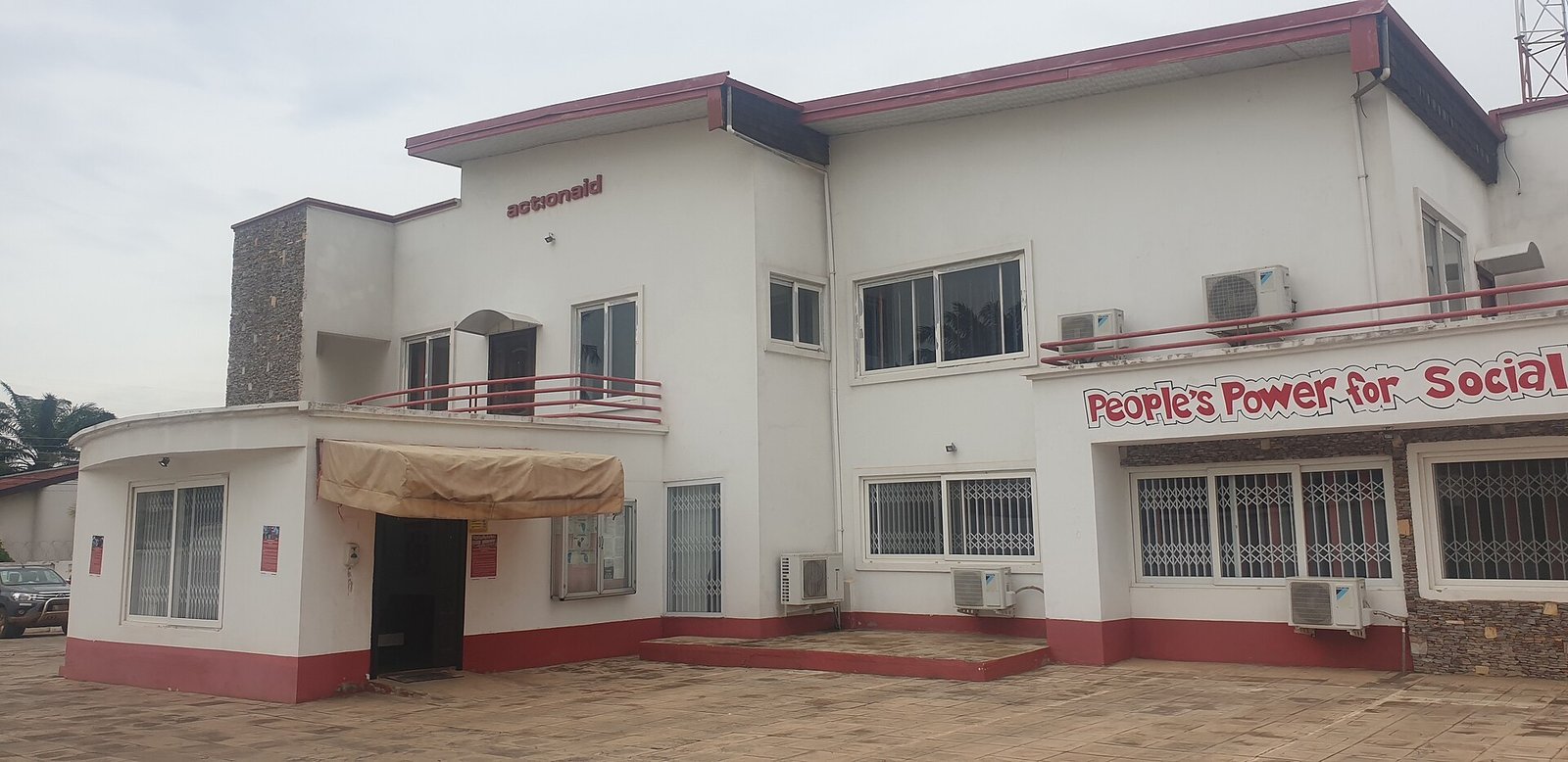
Transparency is not a feeling. It is a mechanical process of gathering evidence. We believe that trust is earned through the mundane work of filing papers and saving files. For us, this means moving beyond promises and providing concrete proof of every cedi spent. We see this every week when we match our spending to the actual needs of the children and widows we support.
Our system starts with the immediate confirmation of funds. We send official receipts within 48 hours of receiving a donation. This small habit prevents confusion and creates a reliable paper trail for our supporters. It shows that we value the donor's contribution from the very first moment it reaches us.
Verification happens in the field through physical evidence. We use signed beneficiary lists to track exactly who receives food or school supplies. These lists are not just for our files. They are part of our execution record that proves the resources reached the intended hands. We pair these lists with photos and short videos of the distributions. A video of a child receiving a new school bag says more than a thousand words in a proposal.
We also believe in open access to these records. Anyone can request our documents on WhatsApp if they want to see how their money is being used. For those who want more, we allow anyone to arrange a field visit or a live call during a distribution. This allows a donor to see the reality of the work in real time.
Our internal culture is one of shared service. We are Muslim and Christian together serving every child. This unity extends to how we handle our books. We keep records that are honest and clear because we are accountable to both our faith and our donors. We know that a missing receipt is a breach of trust. By documenting everything, we ensure that the focus remains on the children rather than on questions about administration.
Quantifying the cost of immediate impact
Trust is built on clarity. When we talk to donors, we find that vague promises of systemic change often feel distant. People want to know exactly what their money does. We see this every week when we share the actual costs of our operations. By using concrete numbers, we remove the mystery from the donation process.
The data from Sedarvp Ghana shows how manageable these costs are. It costs 100 dollars per year to put a child through school. This is a fixed, proven number. When a supporter sees that a relatively small amount secures a full year of education, the act of giving becomes a logical decision. It is no longer a gamble on a proposal.
Feeding a child is another area where precision matters. Hot meals cost 25 dollars per month. This specific figure tells a donor that their contribution has a direct, daily result. It is easier to trust a project that can break down its expenses into such small, tangible units. These numbers prove that the NGO knows exactly how to manage its resources.
We believe in total transparency to maintain this trust. We send receipts within 48 hours of a donation. We also document distributions with photos and short videos so donors can see the food and books reaching the children. This evidence turns a financial transaction into a visible result. It shows that the 25 dollars for meals actually becomes a plate of food.
Accountability does not stop at a receipt. Recurring donors get monthly reports on the progress of the children they support. Anyone can request our documents on WhatsApp if they need more detail. We also welcome those who want to see the work firsthand. Anyone can arrange a field visit or a live call during a distribution.
This approach works because it replaces assumptions with facts. We are Muslim and Christian together serving every child, and our shared goal is reflected in these clear costs. When the price of impact is quantified, the barrier to giving disappears. Small, proven numbers create a foundation of honesty that no long proposal can match.
Integrating community structures and partnerships
A proposal can describe a perfect plan for helping children. However, execution evidence shows if an organization actually knows how to work within a community. We see this every week in our own operations. An NGO cannot be an island. It must be woven into the local fabric to survive and be effective. When a donor looks at evidence, they should look for signs of partnership readiness. This means the organization does not just arrive with its own agenda. Instead, it works with existing local leaders and families.
Proximity to local structures is a strong signal of stability. It shows that the community trusts the organization. We believe in this transparency. For example, anyone can arrange a field visit or a live call during a distribution to see these relationships in action. This is not a formal presentation. It is real life. Seeing a staff member speak naturally with a widowed mother proves that the bond is genuine. It shows the NGO is not an outsider merely visiting for a photo.
Partnerships also reduce waste. When an organization works with local structures, it does not duplicate efforts. It finds the children who are most in need because the community points them out. This grounded approach is what separates a theoretical plan from actual results. We maintain this openness by allowing anyone to request our documents on WhatsApp. We want our supporters to see how we operate.
These connections are the only way to sustain long term support for orphaned children. Without local buy in, a project fails the moment the funding stops. We measure our success by how well we integrate into the lives of those we serve. You can learn more about our specific methods at ../blog/how-we-measure-impact.html. Our team consists of Muslim and Christian members together serving every child. This internal diversity helps us build bridges with different groups in the community. Such partnerships ensure that the aid reaches the right hands without friction.
Presenting evidence the way funders read it
Stories about a single child are moving. They touch the heart and create an emotional bond. However, professional funders look for patterns. They want to see that a success story is not a fluke but a result of a repeatable system. We move from these narratives to hard data to show our actual reach. This means showing how many meals were served or how many children are now in a classroom.
Data provides a different kind of truth. It shows the scale of the need and the efficiency of the response. We provide monthly reports for recurring donors so they can track their impact in real time. These documents turn a vague feeling of helping into a clear record of progress. It allows a supporter to see exactly how their monthly gift translates into food and shelter.
Transparency is not just about a spreadsheet. It is about opening the doors to the work. We welcome anyone to arrange a field visit or a live call during a distribution. Seeing the process in person removes all doubt. It allows a funder to see the children and the widowed mothers we support. This physical evidence is more powerful than any written proposal.
We also use visual proof to bridge the gap between a report and reality. We document distributions with photos and short videos. These are not for marketing. They are evidence that the resources reached the intended hands. When a donor sees a video of a child receiving a school kit, the data becomes human again.
For those who want to understand how to structure these results, we have a guide on ../blog/annual-impact-report-contents.html. This resource explains the components of a strong impact summary. It helps organizations move away from promises and toward proven results. We believe that honesty in reporting builds the strongest partnerships.
If you would like to learn more about how we handle our records, please visit ../about.html#transparency. We are happy to share our process with you.

FAQ
What is execution evidence in the NGO sector?
Execution evidence is the practical proof that an organization actually does the work it claims. It moves beyond promises to show real results. We provide this by documenting distributions with photos and short videos. This allows donors to see the food and school supplies reaching the children. It transforms a written report into a visible reality for the supporter.
How do I prove my NGO track record without large grants?
Small organizations can build trust through transparency and consistent communication. You do not need massive funding to show impact. We focus on immediate accountability by sending receipts within 48 hours of a donation. Allowing donors to arrange a field visit or a live call during a distribution also proves your activity. These direct interactions build a strong record of trust.
What documentation do institutional funders actually want to see?
Funders look for clear links between the money spent and the lives changed. They want verified records of spending and delivery. At Hope for Ghana Kids, anyone can request our documents on WhatsApp to see how we operate. We believe in open access to our records. This openness shows that we are Muslim and Christian together serving every child.
How often should an NGO provide reports to its donors?
The frequency depends on the type of support received. Regular updates keep donors connected to the cause. We provide monthly reports to our recurring donors to show ongoing progress. This steady flow of information ensures that supporters know their contributions are making a difference. Consistent reporting prevents doubts and encourages long term partnership.
And if you are ready to turn good questions into good deeds, feed a child this week. Every gift gets a receipt within 48 hours and a photo of what it became.
