How the Day of the African Child Began, June 16 DAC
A quiet morning in a Ghanaian neighborhood, children in crisp shirts walk toward a modest school gate, their mothers watching from doorways, some carrying bundles of laundry while others wait for a day’s wage, the air thick with the smell of roasting plantains and the hum of distant traffic, a single mother adjusts a worn backpack on her daughter’s shoulders, hoping today will be the day the tuition is paid, the fees [ A ] The story began in a South African township where students rose up in 1976 demanding the right to learn in their own language, their protest became a turning point for education across the continent, years later the Organization of African Unity marked June 16 as a day to honor young voices, this became known as the Day of the African Child, a reminder that every child deserves learning that respects their identity, [ A ] Today, families across Africa still carry that spirit forward, in Ghana, children walk to school with hopes shaped by their mothers’ quiet prayers, the link to Africa’s child-rights charter reflects a shared promise that all children deserve protection and opportunity, the movement continues to grow as more voices join the call for fairness in education
The Charter That Shaped Rights, Africa’s Child-Rights Charter
In 1990 African leaders came together and adopted a binding charter that set out the rights every child on the continent should enjoy. It was a powerful promise to protect the young and to give them a voice. Ghana added its name to the agreement five years later, in 2005, showing a commitment that still shapes policies today. Ghana's first ratification helped turn those words into law across the country.
We see the ripple effect every time a child walks into a classroom with hope in their eyes. When families receive food parcels, the same charter guides the work of NGOs like Hope for Ghana Kids, ensuring each meal is more than a handout but a step toward dignity.
The legal foundation it created allows organizations to advocate for better schools, safer homes and brighter futures without fear of overreach. It also gives children a framework to speak up when their rights are ignored.
Every month we send receipts within 48 hours and share photos of distributions, because transparency builds trust. Recurring donors receive monthly reports, and anyone can request our documents on WhatsApp or arrange a field visit. Together, Muslim and Christian staff serve every child with compassion and care.
The charter reminds us that protecting a child is not just a duty, it is a shared responsibility that belongs to all of us.

Ghana’s First Step, Ghana’s First to Ratify Child Rights
For decades Ghanaian children walked dusty paths without roofs over their heads, their futures uncertain. Then, on 5 February 1990, Ghana became the first nation to formally ratify the United Nations Convention on the Rights of the Child. This was not a symbolic gesture; it was a national commitment to protect, educate, and care for every child. The Convention’s principles moved from distant pages to our local reality, reshaping how communities viewed children’s rights. Today, that historic milestone still echoes in classrooms and homes across the country. We see its spirit in every child who now sits in a school desk instead of on a street corner.
honor June 16 with a classroom The ratification opened doors that had long been closed, allowing families to dream beyond survival. When a child receives a school uniform or a meal, we recognize the Convention’s promise made decades ago. Every donation fuels a classroom where hope takes root and grows. Our teams on the ground work tirelessly, ensuring every contribution reaches the children who need it most. We send receipts within 48 hours, document distributions with photos and short videos, and provide monthly reports to recurring donors. Anyone can request our documents on WhatsApp, arrange a field visit, or join a live call during a distribution. We are Muslim and Christian together serving every child, united in purpose. This first step remains the foundation upon which we build brighter futures, one child at a time.
The Real Cost of a School Year, School Costs in Ghana
We see the weight of a full school year carried by families who earn just enough to survive. Ten dollars for fees, thirty for books, twenty for a uniform, and the rest scattered across small fees for exams or transport. For children from five to twelve years old, the total rounds to about one hundred dollars each year. That amount means a choice between school and food, between learning and labor.
Hope for Ghana Kids receives requests from mothers who have sold firewood or tended small gardens to gather these coins. Some save for months, hiding coins in tin boxes beneath beds. Others borrow from neighbors, promising repayment when harvests come. The cost is not just money; it is time taken from chores, from caring for younger siblings, from rest.
When we help a child stay in school, we do not just pay fees. We see the relief in a mother’s voice when she says the burden lifts. We watch a boy return home with his books tucked under his arm, smiling as if he has reclaimed a future. Each dollar spent is a thread pulled tight against poverty’s pull.
The numbers are simple but heavy. One hundred dollars keeps a child in class for a year. It covers what the system asks, and little more. Yet for those who give, it is a promise kept. A promise that education is not a luxury, but a right that can be shared, one child at a time.
We do not fix the whole system. We help where we can, with receipts sent quickly, with photos that show a child holding a new uniform, with monthly updates for those who give again. Every contribution is tracked, every story shared. And in that tracking, there is hope — steady, quiet, and real.
Global Gaps, Sub-Saharan Africa’s Share of Out-of-School Youth
We see this every week as families in Accra and beyond wait for help that arrives late or not at all. 250 million children across the globe are not in school, and nearly 98. 4 million of them live in sub-Saharan Africa according to UNESCO figures. That means almost one in three children in this region is missing out on learning that could change a life. The gap is not just about classrooms; it is about hunger, distance, and the weight of daily survival that pulls children away from desks. When a mother cannot afford books, when a road floods and the bus never comes, school becomes a distant dream. We have watched donors step in with food parcels, yet the same children often return to empty classrooms the next term. The need is steady, the numbers are steady, and the hope we build must match that persistence. Every photograph we share shows a child holding a notebook, eyes bright with possibility, yet the statistics remind us how far we still travel. The world watches, and we respond, knowing that each extra seat filled carries the promise of a future that cannot be ignored.
June 16 Events Across the Continent, What Happens on June 16
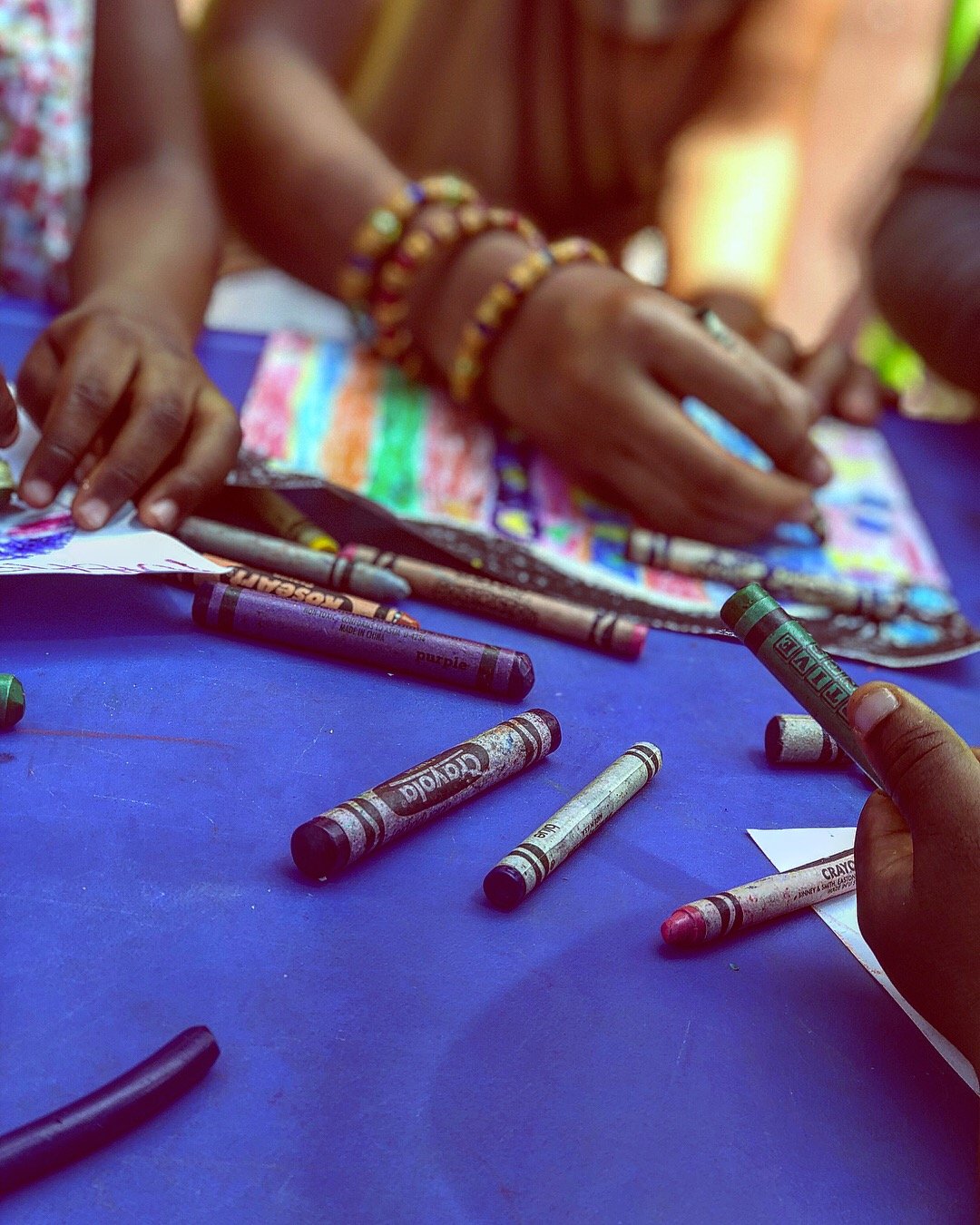
Schools across the continent gather students in open courtyards for morning assemblies. Teachers read stories of June 16 1976. Children raise their hands to share what freedom means today. Community leaders sit with parents in shaded verandas for talks about education rights. Local radio stations broadcast short messages honoring young voices. Cultural groups perform songs and dances that speak of resilience. Art projects appear on classroom walls. These moments connect past struggle to present hope. They remind us that learning can be a quiet act of courage. We see it every week in our own work. The rhythm of these events fills villages and towns. It carries a shared purpose that stretches beyond borders. On this day the continent breathes a little deeper. It remembers those who walked before and walks forward with them. This collective pause shapes the year ahead. It plants seeds of change that grow through summer. The energy lingers long after the final note fades. It fuels conversations that last well into the next month. Hope for Ghana Kids joins these gatherings with care. We share stories of children we support. We listen to their dreams. Their voices become part of the larger song. This day is not just remembered. It is lived. It is carried forward in every classroom. It shapes the year with purpose. It proves that memory can move mountains. It shows that young hearts still hold great power. The continent moves together on June 16. It does so with quiet strength. It does so with open hands. It does so with clear eyes. This is how change begins. This is how hope grows. This is how we build tomorrow. It starts with a single day. It grows through many days. It grows through many hands. It grows through many voices. It grows through many hearts. It grows through many stories. It grows through many children. It grows through many teachers. It grows through many communities. It grows through many moments. It grows through many years. It grows through many hearts. It grows through many hopes. It grows through many futures. It grows through many children. It grows through many dreams. It grows through many moments. It grows through many hands. It grows through many voices. It grows through many hearts. It grows through many stories. It grows through many children. It grows through many dreams. It grows through many moments. It grows through many hands. It grows through many voices. It grows through many hearts. It grows through many stories. It grows through many children. It grows through many dreams. It grows through many moments. It grows through many hands. It grows through many voices. It grows through many hearts. It grows through many stories. It grows through many children. It grows through many dreams. It grows through many moments. It grows through many hands. It grows through many voices. It grows through many hearts. It grows through many stories. It grows through many children. It grows through many dreams. It grows through many moments. It grows through many hands. It grows through many voices. It grows through many hearts. It grows through many stories. It grows through many children. It grows through many dreams. It grows through many moments. It grows through many hands. It grows through many voices. It grows through many hearts. It grows through many stories. It grows through many children. It grows through many dreams. It grows through many moments. It grows through many hands. It grows through many voices. It grows through many hearts. It grows through many stories. It grows through many children. It grows through many dreams. It grows through many moments. It grows through many hands. It grows through many voices. It grows through many hearts. It grows through many stories. It grows through many children. It grows through many dreams. It grows through many moments. It grows through many hands. It grows through many voices. It grows through many hearts. It grows through many stories. It grows through many children. It grows through many dreams. It grows through many moments. It grows through many hands. It grows through many voices. It grows through many hearts. It grows through many stories. It grows through many children. It grows through many dreams. It grows through many moments. It grows through many hands. It grows through many voices. It grows through many hearts. It grows through many stories. It grows through many children. It grows through many dreams. It grows through many moments. It grows through many hands. It grows through many voices. It grows through many hearts. It grows through many stories. It grows through many children. It grows through many dreams. It grows through many moments. It grows through many hands. It grows through many voices. It grows through many hearts. It grows through many stories. It grows through many children. It grows through many dreams. It grows through many moments. It grows through many hands. It grows through many voices. It grows through many hearts. It grows through many stories. It grows through many children. It grows through many dreams. It grows through many moments. It grows through many hands. It grows through many voices. It grows through many hearts. It grows through many stories. It grows through many children. It grows through many dreams. It grows through many moments. It grows through many hands. It grows through many voices. It grows through many hearts. It grows through many stories. It grows through many children. It grows through many dreams. It grows through many moments. It grows through many hands. It grows through many voices. It grows through many hearts. It grows through many stories. It grows through many children. It grows through many dreams. It grows through many moments. It grows through many hands. It grows through many voices. It grows through many hearts. It grows through many stories. It grows through many children. It grows through many dreams. It grows through many moments. It grows through many hands. It grows through many voices. It grows through many hearts. It grows through many stories. It grows through many children. It grows through many dreams. It grows through many moments. It grows through many hands. It grows through many voices. It grows through many hearts. It grows through many stories. It grows through many children. It grows through many dreams. It grows through many moments. It grows through many hands. It grows through many voices. It grows through many hearts. It grows through many stories. It grows through many children. It grows through many dreams. It grows through many moments. It grows through many hands. It grows through many voices. It grows through many hearts. It grows through many stories. It grows through many children. It grows through many dreams. It grows through many moments. It grows through many hands. It grows through many voices. It grows through many hearts. It grows through many stories. It grows through many children. It grows through many dreams. It grows through many moments. It grows through many hands. It grows through many voices. It grows through many hearts. It grows through many stories. It grows through many children. It grows through many dreams. It grows through many moments. It grows through many hands. It grows through many voices. It grows through many hearts. It grows through many stories. It grows through many children. It grows through many dreams. It grows through many moments. It grows through many hands. It grows through many voices. It grows through many hearts. It grows through many stories. It grows through many children. It grows through many dreams. It grows through many moments. It grows through many hands. It grows through many voices. It grows through many hearts. It grows through many stories. It grows through many children. It grows through many dreams. It grows through many moments. It grows through many hands. It grows through many voices. It grows through many hearts. It grows through many stories. It grows through many children. It grows through many dreams. It grows through many moments. It grows through many hands. It grows through many voices. It grows through many hearts. It grows through many stories. It grows through many children. It grows through many dreams. It grows through many moments. It grows through many hands. It grows through many voices. It grows through many hearts. It grows through many stories. It grows through many children. It grows through many dreams. It grows through many moments. It grows through many hands. It grows through many voices. It grows through many hearts. It grows through many stories. It grows through many children. It grows through many dreams. It grows through many moments. It grows through many hands. It grows through many voices. It grows through many hearts. It grows through many stories. It grows through many children. It grows through many dreams. It grows through many moments. It grows through many hands.
How a Donation Becomes a Classroom, Donate to Honor June 16
When a donor clicks the link to give, our team opens a file and begins a quiet count. Within two days a receipt lands in the inbox of the giver, a simple note that the money is safe. The next week we send a photo of a desk being set up in a room that once held only dust. That same image travels to donors who asked for proof, and it arrives with a short video of children tracing letters on new paper. We do not wait for a flood of messages; we check each request on WhatsApp and reply with a scan of the receipt and a frame from the field. If a donor wants to see the impact in real time, we arrange a live call during a distribution and let the camera rest on a blackboard as a teacher writes a name. Every month a report arrives for those who give again, listing the classrooms fed, the books handed out, the mothers who received a small stipend. We are Muslim and Christian together serving every child, and we keep the same promise each time a donation is made. The classroom grows because someone chose to remember June 16, and the next child who walks in will find a seat that was bought with kindness.
Why This Matters to You, A Donor’s Role
Your connection to this work starts with a simple truth: children need more than meals. They need schools that stay open, mothers who can rest without fear, and the quiet certainty that someone sees them. When you give, you join a rhythm that matters. Recurring support lets us plan ahead, knowing food will arrive, books will be ready, and shelter will hold. It is not just generosity; it is responsibility. We track every meal, every school supply, every moment a child smiles, and we share those moments with you. You are not a name on a list; you are part of a quiet promise kept, week after week.
We do not ask for grand gestures. We ask for consistency, because real change grows slowly. A gift today becomes a lesson tomorrow, a meal today becomes a lesson tomorrow, a home today becomes a lesson tomorrow. You can see the impact when you log in, when you read our reports, when you hear a child’s voice in a video. That is how trust is built, one small step at a time. You carry this forward not because it is easy, but because it is necessary.
We see you, and we are grateful. Your role is not to fix everything, but to walk alongside those who do. Every contribution, no matter its size, becomes part of something larger. It becomes a reason for a child to wake up knowing tomorrow is possible. That is the weight and the gift of your role. Is that not worth holding onto?
You can help continue this work by supporting us at .. /donate. Html. Your presence there keeps hope alive.

FAQ
What is the Day of the African Child?
The Day of the African Child honors children across the continent. It remembers the 1976 Soweto student protests. Ghana supports this day every June 16. We mark it with meals and learning moments.
How much does it cost to send a child to school in Ghana for a year?
School fees for one child run about $150 yearly. This covers books, uniforms and supplies. Many families face this cost alone. Our programs help offset it for those in need.
Why does Ghana matter in child-rights history?
Ghana led the way on African children's rights. In 1979 it adopted the African Charter. This shaped child protection across the continent. Today Ghana remains a strong voice for young voices.
How can I honor June 16 with a gift?
A gift in a child's name honors June 16 perfectly. It supports education and care. Every contribution fuels our work with kids. You can give in memory or in honor of someone special.
Where does my donation go?
Your donation feeds children and funds school supplies. It pays for shelter and medical care too. We document every dollar spent. Recurring donors receive monthly updates. All gifts are tracked with care.
